
Comprehensive Guide to Roof Coating Cost in Florida
Roof Coating Cost in Florida
If you’re a homeowner in Florida considering roof coating, you’re probably wondering about the costs involved. Roof coating is a practical option to extend the life of your roof, improve energy efficiency, and add a layer of protection against Florida’s intense sun and frequent rainstorms. On average, Florida homeowners can expect to spend between $1,000 and $4,000 depending on several factors including the size of the roof, the type of coating used, and labor costs. Understanding these variables can help you make informed decisions that align with both your budget and your roofing needs.
- Average Cost
- National Average vs State Average
- Cost Summary Table
- Cost Breakdown
- Cost by Material
- Cost by Home Size
- Material Comparison Table
- Labor vs Material Table
- Hidden Costs
- Permit Costs
- DIY vs Professional
- Timeline
- Common Mistakes
- Money Saving Tips
- Buyer’s Guide
- Frequently Asked Questions
- Next Steps
Average Cost
Roof coating in Florida typically costs between $1,000 and $4,000. The price varies depending on roof size, type of coating, and labor. The material costs range from $0.50 to $3.00 per square foot, while labor runs about $0.50 to $2.00 per square foot. Larger projects and high-quality coatings will naturally push these costs higher. For homes in coastal areas, additional waterproofing measures might be necessary, which could raise the overall expense but provide invaluable protection against the elements.
National Average vs State Average
The national average cost for roof coating hovers around $1.50 to $4.50 per square foot. Florida’s prices are generally on par with the national average due to the competitive nature of the state’s roofing contractors and a steady supply of materials. However, costs can fluctuate based on hurricane season demand spikes and regional labor costs. The summer months may see increased demand for roof services due to hurricane preparations, potentially impacting both availability and pricing.
Cost Summary Table
| Cost Factor | Price Range (per sq ft) |
|---|---|
| Material | $0.50 – $3.00 |
| Labor | $0.50 – $2.00 |
| Total | $1.00 – $5.00 |
Cost Breakdown
When budgeting for roof coating, consider both materials and labor. Labor costs in Florida can vary based on accessibility, roof pitch, and contractor availability. The cost of materials is determined by the type of coating you choose; reflective and energy-efficient options often cost more but can provide long-term savings. Additional expenses may include sealing around protrusions such as chimneys or vents, which are common in Florida homes. Furthermore, the condition of the existing roof may affect preparation and repair needs, impacting overall costs. For instance, a roof with significant wear may require more extensive preparation, including cleaning or patching, which can increase the labor portion of the budget.
Cost by Material
Different roof coatings have varying price points, each with unique benefits:
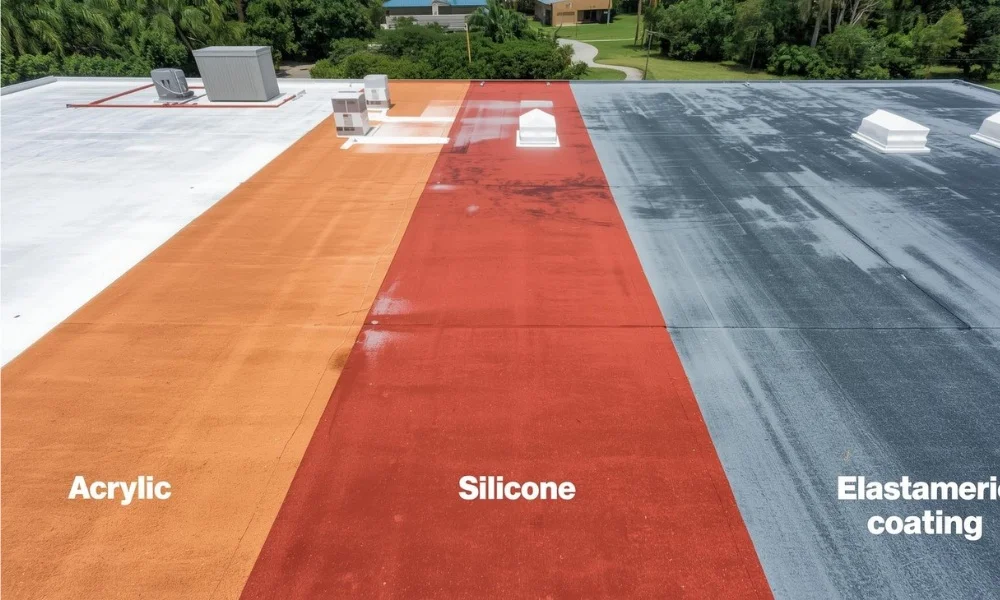
- Acrylic Coatings: Priced at $0.50 to $1.50 per square foot, these are popular for their UV resistance and reflectivity, making them a good choice for energy savings in Florida’s sunny climate.
- Silicone Coatings: Costing $1.00 to $2.50 per square foot, silicone offers excellent water resistance, making it ideal for Florida’s wet climate. It’s particularly beneficial in coastal areas prone to heavy rain and salt exposure.
- Polyurethane Coatings: At $1.50 to $3.00 per square foot, these provide strong impact resistance and durability, suitable for homes in hurricane-prone areas where debris impact is a concern.
Cost by Home Size
The size of your roof directly influences the total cost of coating. Here’s a general idea of what you might expect:
- 1,000 sq ft: $1,000 to $5,000
- 2,000 sq ft: $2,000 to $10,000
- 3,000 sq ft: $3,000 to $15,000
Homes with complex roof designs may experience higher costs due to increased labor time and material waste. Additionally, multi-level roofs or those with numerous fixtures like skylights and vents will require more precision and time, influencing the price.
Material Comparison Table
| Material | Cost (per sq ft) | Lifespan (years) | Durability |
|---|---|---|---|
| Acrylic | $0.50 – $1.50 | 5-10 | Moderate |
| Silicone | $1.00 – $2.50 | 10-15 | High |
| Polyurethane | $1.50 – $3.00 | 15-20 | Very High |
Labor vs Material Table
| Cost Component | Percentage of Total Cost |
|---|---|
| Labor | 40% – 60% |
| Material | 40% – 60% |
It’s important to note that labor costs can swing towards the higher end in urban areas like Miami or Tampa, where skilled labor commands premium rates. Conversely, rural areas may offer more competitive pricing due to lower overheads for contractors. Additionally, the availability of experienced roofers can vary seasonally, impacting labor costs.
Permit Costs
In Florida, permit requirements vary by city and the scale of your project. While minor roof repairs might not need a permit, significant roof coatings often do. Permit costs are generally between $50 and $150 but check with local authorities for specifics. Additionally, some areas may require inspections post-application to ensure compliance with local building codes, which could add to the timeline and cost.
DIY vs Professional
Choosing between DIY and professional application depends on your experience and comfort level working at heights. While DIY can save on labor costs, professionals ensure proper application, which is crucial in Florida’s challenging weather. Incorrect application can void warranties and decrease effectiveness. Moreover, professionals are equipped to handle unexpected challenges, such as sudden weather changes, which can be a risk in Florida’s unpredictable climate. DIY enthusiasts should consider starting with smaller sections to gauge their capability before taking on the entire project.
Timeline
Most roof coating projects in Florida take 1 to 3 days, depending on weather conditions and roof size. Allow additional time for any repair work needed before coating. Proper scheduling around dry weather ensures the best results. It’s advisable to plan your project for the cooler months, avoiding peak hurricane season, to minimize weather-related delays and ensure a smooth application process. Keep in mind that preparation and curing times may vary based on the type of coating selected.
Common Mistakes
Avoid these common pitfalls: applying coating in wet conditions, not repairing underlying roof damage first, choosing incompatible materials, and using insufficient coating thickness. Staying informed and consulting professionals helps mitigate these risks. In Florida, rushing a project due to looming storms can lead to poor workmanship or incomplete applications, so patience and planning are key. Moreover, neglecting to check weather forecasts can lead to unexpected interruptions and compromised results.
Money Saving Tips
To save money, purchase materials in bulk, schedule work during off-peak seasons, and maintain your roof to prevent costly damage. Consider energy-efficient products for long-term savings on cooling costs, particularly effective in Florida’s hot climate. Additionally, inquire about any local rebates or incentives for using eco-friendly or energy-efficient materials, as these can offset initial costs. Partnering with a local contractor may provide savings through reduced travel costs and easier access to local material suppliers.
Buyer’s Guide
When selecting a roof coating, compare multiple options:
| Feature | Acrylic | Silicone | Polyurethane |
|---|---|---|---|
| Cost (per sq ft) | $0.50 – $1.50 | $1.00 – $2.50 | $1.50 – $3.00 |
| Lifespan (years) | 5-10 | 10-15 | 15-20 |
| Durability | Moderate | High | Very High |
| Maintenance | Low | Moderate | Low |
| Warranty | 5-10 years | 10-15 years | 15-20 years |
| Installation Difficulty | Easy | Moderate | High |
| Best For | Reflectivity | Waterproofing | Durability |
| Biggest Advantage | Cost-effective | Superior water resistance | Long lifespan |
| Biggest Drawback | Shorter lifespan | Higher cost | Complex application |
For budget-conscious homeowners, Acrylic coatings offer cost-effectiveness and good reflective properties. Silicone is recommended for those needing superior waterproofing, ideal for Florida’s climate. Polyurethane, while more expensive, provides unmatched durability and is the preferred option for those looking for the longest lifespan. Contractors typically prefer silicone for its balance of cost and performance in Florida’s wet environment. Choosing the right material can not only enhance the lifespan of your roof but also contribute to significant energy savings.
Frequently Asked Questions
Q: How often should roof coating be reapplied?
A: Most coatings need reapplication every 10-15 years, but check manufacturer recommendations. In Florida, this timeline may shorten slightly due to intense weather conditions that can wear down coatings faster.
Q: Can I coat my roof myself?
A: DIY is possible, but professional application ensures correct installation and warranty protection. This is particularly important in Florida, where environmental factors demand a precise application.
Q: Does roof coating help with energy bills?
A: Yes, reflective coatings reduce roof temperature, which can lower cooling costs. This is a considerable advantage in Florida, where air conditioning usage is high.
Q: Are there environmental benefits to roof coating?
A: Coatings can extend roof life and reduce landfill waste, and some products are environmentally friendly. Selecting coatings with low VOCs can also contribute to better air quality.
Q: Will coating stop roof leaks?
A: Coatings can prevent new leaks, but existing damage should be repaired prior to application. In Florida, addressing these issues promptly is essential to prevent further water infiltration.
Next Steps
When considering a roof coating project in Florida, it’s crucial to get multiple quotes from reputable contractors to compare costs and services. Planning your budget carefully and consulting with professionals will ensure that you choose the best material and contractor for your specific needs, maximizing the benefits of your roof coating investment. Always verify contractor credentials and previous work to ensure you’re making a reliable choice that will stand up to Florida’s extreme weather patterns. Furthermore, prioritize selecting a contractor familiar with local building codes and weather challenges for a seamless project experience.