
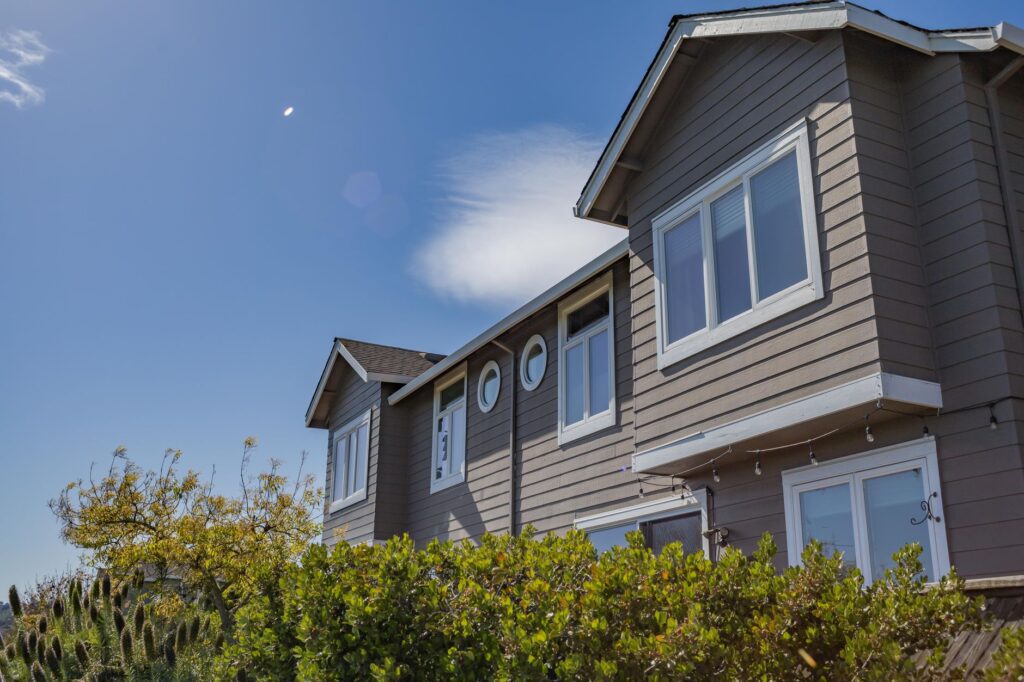
James Hardie Siding Cost in Texas: 2024 Pricing Guide
James Hardie Siding Cost in Texas: Real Prices, Brand Comparisons & Pro Tips
Quick Answer: James Hardie Siding Cost in Texas
For most Texas homes, professionally installed James Hardie fiber cement siding runs $11.50–$15.50 per square foot all-in, or roughly $17,000–$28,000 for a typical 2,000 sq ft home. Costs vary by home size, layout, tear-off needs, trim, paint, and city permit fees. Material alone is usually $5.50–$7.50 per sq ft. Labor, always higher in Texas metros like Dallas, Houston, and Austin, is a major factor.
| Project Size (sq ft) | Low-End Cost | High-End Cost |
|---|---|---|
| 1,500 | $13,500 | $22,500 |
| 2,000 | $17,000 | $28,000 |
| 2,500 | $21,000 | $35,000 |
| 3,000 | $25,500 | $41,000 |
Average Cost in Texas
Across Texas, the average cost to install James Hardie siding on a typical single-family home is $13.50 per square foot (materials and labor). That figure includes trim, moisture barriers, and basic painting. In my experience, the Dallas-Fort Worth, Houston, and Austin areas trend toward the higher end due to labor demand and stricter city code inspections. In smaller Texas towns, you might shave $1–$2 per sq ft off labor, but material prices are consistent statewide.
Texas vs National Average
James Hardie siding jobs in Texas run about 5–10% higher than the national average. This is mainly due to:
- Hot, humid summers requiring proper moisture barriers and ventilation
- Frequent hail and wind, especially in North Texas, driving up insurance and install quality
- High demand for skilled siding crews in urban areas
- Texas cities often require more thorough inspections than many other states
| Region | Avg. Cost per Sq Ft |
|---|---|
| Texas | $13.50 |
| National Average | $12.00 |
Cost Breakdown: Materials, Labor, and More
Here’s how a typical James Hardie siding estimate in Texas is structured:
- Materials (HardiePlank, trim, fasteners, wrap): $5.50–$7.50/sq ft
- Labor: $5.50–$7.00/sq ft (skilled crews, safety, scaffolding)
- Paint/Finish: $1.00–$1.50/sq ft (if not factory colored)
- Permit & Inspection: $200–$800 (city dependent)
- Old siding removal/disposal: $1,000–$3,000 (depends on existing material)
| Item | Cost per Sq Ft | Typical % of Total |
|---|---|---|
| Materials | $5.50–$7.50 | 45–55% |
| Labor | $5.50–$7.00 | 40–50% |
| Paint/Finish | $1.00–$1.50 | 8–12% |
| Permits & Fees | $0.10–$0.40 | 2–4% |
Cost by Material or Type
James Hardie offers several styles and finishes. Here’s how the options stack up:
| Type | Material Cost per Sq Ft | Installed Cost per Sq Ft | Style Notes |
|---|---|---|---|
| HardiePlank Lap | $5.50–$6.50 | $11.50–$14.00 | Most popular; horizontal lap |
| HardiePanel Vertical | $5.75–$7.00 | $12.00–$14.50 | Vertical board & batten look |
| HardieShingle | $7.00–$8.50 | $13.00–$16.00 | Staggered or straight-edge shingle |
| Artisan Collection | $8.00–$10.00 | $15.00–$18.00 | Thicker, premium finish |
Trim, soffit, and accent pieces add $2–$4 per linear foot, especially around windows and doors.
Cost by Brand
James Hardie is the top dog in fiber cement, but some Texas installers also offer Allura and Nichiha. Here’s how they compare:
| Brand | Material Cost per Sq Ft | Installed Cost per Sq Ft | Warranty | Notable Features |
|---|---|---|---|---|
| James Hardie | $5.50–$8.00 | $11.50–$15.50 | 30 years | Most color/texture options, proven Texas durability |
| Allura | $5.00–$7.50 | $10.50–$14.00 | 30 years | Similar look, slightly less expensive |
| Nichiha | $5.50–$9.00 | $12.00–$16.00 | 25–30 years | Specialty textures, commercial-grade |
Cost by Home/Project Size
Texas homes vary widely. Ranch-style and two-story homes have different labor needs. Here’s a quick look at typical job sizes:
- 1,500 sq ft: $13,500–$22,500
- 2,000 sq ft: $17,000–$28,000
- 2,500 sq ft: $21,000–$35,000
- 3,000 sq ft: $25,500–$41,000
Complex rooflines, multiple stories, and lots of windows push costs higher due to extra cutting, flashing, and ladder work.
Hidden Costs Texans Should Watch For
- Rot or termite damage uncovered during tear-off (adds $500–$3,000 in repairs)
- Painting if you choose primed (not ColorPlus) boards
- Upgrading housewrap or adding rain screen for better weather protection
- Custom trim for historic homes or unique architecture
- Haul-off/dumpster fees if old siding is asbestos or wood
Permit and Inspection Costs in Texas
Most Texas cities require a siding permit and at least one inspection. Fees run $200–$800 depending on city and project size. For example, Houston and Austin charge by project value, while Fort Worth has a flat $250 fee for siding jobs. Inspections check flashing, fasteners, and weather barrier compliance (IRC 2021, as adopted locally). If you’re in an HOA, plan for approval delays and possible color restrictions.
ROI and Resale Value
Replacing old siding with James Hardie typically recoups 70–80% of your investment at resale in Texas, especially in areas hit by hail or with lots of aging exteriors. It’s one of the top exterior upgrades for curb appeal and buyer confidence, since fiber cement is known to withstand Texas heat, humidity, and storms far better than wood or vinyl. Energy savings are modest unless you add insulation, but maintenance and insurance savings add up over time.
Lifespan and Warranty
- James Hardie warranty: 30 years on siding, 15 years on ColorPlus finish
- Real Texas lifespan: 30–40 years with proper install and caulking
- Maintenance: Wash annually, touch up caulk and paint every 8–12 years (ColorPlus needs less repainting)
DIY vs Professional Installation
Fiber cement is heavy, dusty, and requires special tools (shears, respirators). Most Texas homeowners hire pros due to the weight (2.3 lbs per sq ft), silica dust hazards, and warranty requirements. DIY can save $5–$7 per sq ft, but risks code issues, failed inspections, and voided warranties. If you’re experienced and have a crew, DIY is possible on small sheds or garages, but not recommended for whole homes.
Project Timeline
- Permit/HOA approval: 1–3 weeks
- Material order: 1–2 weeks (longer for custom colors)
- Install time: 5–12 days for most Texas homes
- Inspection/final punchlist: 1–2 days
Weather delays are common in Texas spring and summer. Factory-colored (ColorPlus) siding shaves a few days off total time.
Common Mistakes on Texas Jobs
- Not using proper flashing at windows/doors—inspectors flag this constantly
- Skipping the right housewrap or rain screen in humid/hurricane-prone areas
- Improper nailing (too tight = cracks, too loose = wind damage)
- Not sealing cut edges (especially with ColorPlus boards)
- Hiring unlicensed or uninsured crews—liability is on you in Texas
Money-Saving Tips
- Get 3–4 local quotes—prices swing by 20%+ between Texas cities
- Choose factory-finished (ColorPlus) to save on painting labor
- Schedule off-season (late fall/winter) for better labor rates
- Remove old siding yourself if it’s not hazardous and you’re comfortable with demo
- Group with neighbors for bulk discounts—some Texas installers offer “block pricing”
Buyer’s Guide: Comparing James Hardie, Allura, and Nichiha
| Brand | Material Cost | Lifespan | Durability | Maintenance | Warranty | Install Difficulty | Best For | Advantage | Drawback |
|---|---|---|---|---|---|---|---|---|---|
| James Hardie | $5.50–$8.00/sq ft | 30–40 yrs | Excellent in Texas climate | Low (ColorPlus), moderate (primed) | 30 yrs siding, 15 yrs finish | High (pro recommended) | Most Texas homes | Proven, best installer support | Price premium, heavy |
| Allura | $5.00–$7.50/sq ft | 25–35 yrs | Good, slightly less dense | Low | 30 yrs | High | Budget projects, rentals | Lower cost, similar look | Limited color options |
| Nichiha | $5.50–$9.00/sq ft | 30–40 yrs | Excellent, more textures | Low–moderate | 25–30 yrs | Very high | Custom, modern homes | Unique styles/textures | Harder to source in Texas |
- Best Budget: Allura – Lower material cost, solid warranty, good for rentals or flips.
- Best Overall Value: James Hardie – Top installer support, best resale value, color options fit Texas neighborhoods.
- Best Premium: Nichiha – Unique textures, great for modern or custom homes, but higher cost and harder to source.
- Contractor’s Choice: James Hardie – Reliable supply, best for Texas climate, and fewer callbacks in my experience.
FAQ: Real Questions from Texas Homeowners
- Is James Hardie siding worth the cost in Texas?
Yes—Hardie outlasts wood and vinyl in Texas heat, wind, and hail. Insurance discounts and resale value often make up the price difference. - How long does Hardie siding actually last in Texas?
With proper install and caulking, 30–40 years is realistic. The finish may need touch-ups every 8–12 years (less for ColorPlus). - Can I install James Hardie siding myself?
DIY is possible for small jobs, but full homes are best left to pros due to weight, dust, and code requirements. Most warranties require pro install. - Do I need a permit for siding replacement in Texas?
Yes, in almost every Texas city. Expect at least one inspection for nailing, flashing, and moisture barrier code compliance. - What’s the best time of year to install Hardie siding in Texas?
Late fall and winter are best for lower rates and fewer weather delays; avoid peak summer due to heat and busy schedules. - Does James Hardie siding increase home value?
Absolutely—it’s one of the top ROI projects in Texas, especially in hail-prone and upscale neighborhoods.
Ready for Quotes? Next Steps for Texans
James Hardie siding is a major investment, so don’t settle for the first estimate. Collect at least three detailed quotes from licensed, insured Texas siding contractors. Ask about their Hardie Alliance status, check recent local jobs, and request line-item breakdowns. Confirm who handles permits and inspections. If you’re in an HOA, get color and style approval early. With the right pro and a clear contract, you’ll enjoy a beautiful, durable exterior that stands up to Texas weather for decades.