
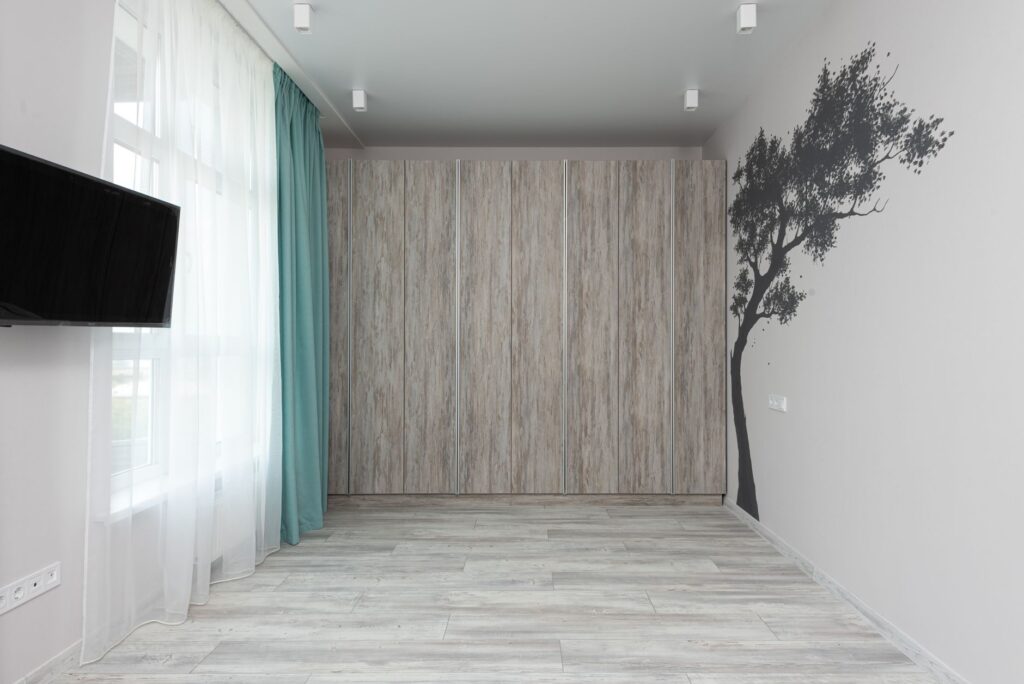
Luxury Vinyl Plank Flooring Cost in Texas: 2024 Pricing Guide
Luxury Vinyl Plank Flooring Cost in Texas: Real Numbers & Contractor Advice
Quick Answer: What Texans Pay for LVP Flooring
In Texas, the installed cost for luxury vinyl plank (LVP) flooring typically ranges from $3.80 to $7.50 per square foot for most residential projects. That covers mid-grade materials and professional installation. Budget options can dip to $2.50/sq ft for basic planks and DIY labor, while high-end waterproof LVP from premium brands with complex patterns can run up to $10/sq ft or more, especially in big cities like Houston or Austin. Most Texas homeowners spend $3,800–$7,500 to cover 1,000 sq ft, plus some extras for prep, trim, and disposal.
| Project Size (sq ft) | Low Cost | Average Cost | High Cost |
|---|---|---|---|
| 500 | $1,250 | $2,600 | $4,000 |
| 1,000 | $2,500 | $5,200 | $8,000 |
| 1,500 | $3,750 | $7,800 | $12,000 |
Average Cost in Texas
Texans can expect to pay $4.50–$6.50 per square foot on average for installed LVP, including labor and materials. Prices are a bit lower in smaller towns and rural counties, where labor rates are closer to $1.50–$2.25/sq ft. In Dallas, Houston, and San Antonio, rates trend higher due to demand and higher overhead. Material quality, prep work, and subfloor repairs are the biggest variables I’ve seen on real jobs.
Texas vs National Average
The national average for LVP flooring is about $6.00–$7.00 per sq ft installed. Texans often pay 5–15% less than this, thanks to a lower cost of living, competitive labor market, and wide product availability through local distributors. However, specialty LVP brands and complex installs can still push costs above the national average, especially in upscale neighborhoods or custom homes.
| Region | Average Installed Cost/sq ft |
|---|---|
| Texas (statewide) | $4.50–$6.50 |
| Houston Metro | $5.00–$7.00 |
| National Average | $6.00–$7.00 |
Cost Breakdown: Labor, Materials, Extras
Here’s what makes up your final bill for LVP installation in Texas:
- Materials: $1.80–$4.50/sq ft for planks (budget to premium, waterproof, or rigid core)
- Labor: $1.75–$3.00/sq ft for basic install, more if demo or leveling required
- Prep & Demo: $0.50–$1.50/sq ft for old floor removal, patching, minor leveling
- Trim & Transitions: $1.00–$2.50/linear ft for baseboards, thresholds, reducers
- Disposal: $0.25–$0.75/sq ft for haul-off (varies by city dump fees)
| Cost Component | Low | Average | High |
|---|---|---|---|
| Materials | $1.80 | $3.25 | $4.50 |
| Labor | $1.75 | $2.50 | $3.00 |
| Prep/Demo | $0.50 | $1.00 | $1.50 |
| Trim/Transitions | $1.00 | $1.75 | $2.50 |
Cost by Material or Type
Not all LVP is created equal. Here’s what I’ve seen in Texas showrooms and on job sites:
- Entry-Level LVP: $1.80–$2.50/sq ft, thinner wear layer, 6–12 mil, basic wood looks
- Mid-Grade LVP: $2.75–$3.75/sq ft, 12–20 mil wear layer, better visuals, some waterproof
- Premium/Rigid Core (SPC/WPC): $3.80–$5.00+/sq ft, 20+ mil wear, waterproof, embossed texture, wide planks
| Type | Material Cost/sq ft | Installed Cost/sq ft | Best For |
|---|---|---|---|
| Entry-Level | $1.80–$2.50 | $3.80–$5.00 | Rentals, low-traffic |
| Mid-Grade | $2.75–$3.75 | $4.50–$6.00 | Most homes |
| Premium/Rigid Core | $3.80–$5.00+ | $6.00–$8.00+ | Luxury, wet areas |
Cost by Brand
Brand matters. Here’s what Texans pay for the most common LVP brands:
- Shaw Floorte: $3.75–$5.25/sq ft (material only), tough and waterproof, lots of color choices
- COREtec: $4.25–$6.00/sq ft, premium WPC/SPC, thick wear layers, quiet underfoot
- Lifeproof (Home Depot): $2.40–$3.60/sq ft, budget-friendly, decent warranty, easy to find
| Brand | Material Cost/sq ft | Warranty | Typical Lifespan |
|---|---|---|---|
| Shaw Floorte | $3.75–$5.25 | 20–30 yrs | 15–25 yrs |
| COREtec | $4.25–$6.00 | Lifetime res., 15 yrs comm. | 20–30 yrs |
| Lifeproof | $2.40–$3.60 | Lifetime res. | 10–20 yrs |
Cost by Home/Project Size
Most Texas jobs fall in the 800–1,500 sq ft range. Larger projects may get a small per-foot discount on labor, but material costs are flat. Small jobs (under 300 sq ft) may see higher labor minimums—usually $500–$750 even for a single room.
Hidden Costs Texans Miss
- Subfloor Prep: Wavy slabs, moisture, or cracks can add $1–$3/sq ft for self-leveling or patching.
- Moisture Barriers: Required in many Texas homes with slab-on-grade, especially in humid Gulf Coast cities ($0.25–$0.50/sq ft).
- Furniture Moving: Most installers charge $25–$75 per room if you don’t clear it out first.
- Baseboard Replacement: If your trim is old or damaged, add $2–$4/linear ft for new baseboards and paint.
- Out-of-square Rooms: Angled or curved layouts slow down install, raising labor cost by 10–15%.
Permit and Inspection Costs in Texas
Most Texas cities do not require a permit for LVP flooring in single-family homes, unless structural changes or major subfloor work is involved. Some HOAs or historic districts (especially in Austin and San Antonio) may require approval or inspection—typically $50–$150 in application or inspection fees. Always check with your local city permit office or HOA before starting, as skipping required approvals can delay closings or trigger fines.
ROI and Resale Value
LVP is popular with Texas buyers for durability, low maintenance, and water resistance—especially in flood-prone or humid areas. Typical ROI is 60–80% on resale, higher if replacing old carpet or damaged tile. In mid-range homes, new LVP can increase perceived value and help homes sell faster, but won’t add much to appraised value in luxury markets compared to real hardwood or stone.
Lifespan and Warranty
- Entry-level LVP: 7–15 years (wears faster, may fade in sun)
- Mid-grade LVP: 12–20 years (good for most Texas homes)
- Premium rigid core: 20–30 years (holds up to kids, pets, water, and Texas heat)
Warranties range from 10 years to lifetime—always read the fine print. Most exclude commercial use, flooding, or improper cleaning.
DIY vs Professional Installation
- DIY: Save $1.75–$3.00/sq ft on labor, but risk subfloor issues, uneven planks, or warranty voids. Good for handy Texans with basic tools and patience.
- Professional: Faster, cleaner, warranty-backed. Most Texas installers finish 500–700 sq ft per day with a crew of two, and handle tricky transitions and moisture testing.
DIY makes sense for single rooms, simple layouts, and flat subfloors. For whole homes, uneven slabs, or homes with pets and kids, pro install is worth the peace of mind.
Project Timeline
- Small job (1–2 rooms): 1–2 days
- Whole house (1,000–2,000 sq ft): 3–5 days, including demo and trim
- Add 1–2 days for subfloor repairs, moisture mitigation, or complex layouts.
Common Mistakes on Texas LVP Jobs
- Skipping slab moisture tests—leads to buckling or mold in humid Texas regions
- Not leaving expansion gaps—causes planks to separate in summer heat
- Cheap underlayment or skipping vapor barrier on slab homes
- Poor transitions at tile, carpet, or exterior doors
- Ignoring manufacturer’s acclimation instructions—planks shrink or swell
Money-Saving Tips
- Buy during seasonal sales (spring/fall) at Texas flooring wholesalers
- Clear out rooms and remove old carpet yourself
- Choose mid-grade planks for best value—cheap LVP wears out fast in Texas sun
- Ask for a labor/material package discount for whole-home jobs
- Get multiple quotes—rates vary widely between Texas cities and even among local installers
Buyer’s Guide: Top LVP Brands in Texas
| Brand | Cost/sq ft | Lifespan | Warranty | Maintenance | Install Difficulty | Best For |
|---|---|---|---|---|---|---|
| Shaw Floorte | $3.75–$5.25 | 15–25 yrs | 20–30 yrs | Low | Moderate | Families, pets, resale value |
| COREtec | $4.25–$6.00 | 20–30 yrs | Lifetime | Low | Easy | Luxury, wet areas, long-term |
| Lifeproof | $2.40–$3.60 | 10–20 yrs | Lifetime | Low | DIY-friendly | Budget, rentals, quick installs |
- Best Budget: Lifeproof — affordable, easy to install, widely stocked at Texas Home Depot stores.
- Best Overall Value: Shaw Floorte — excellent durability, wide style range, strong warranty.
- Best Premium: COREtec — top-tier waterproofing, thick core, quiet, ideal for high-end homes.
- Contractor’s Choice: Shaw Floorte — reliable quality, good support, and easy to work with on Texas slabs.
FAQ: What Texans Ask About LVP Flooring
- Does LVP hold up to Texas humidity and heat?
Yes, most rigid core LVP is made for Texas heat and humidity, but always check for a waterproof core and UV protection if you have big windows or exterior doors. - Can you install LVP over old tile or concrete?
Yes, as long as the surface is flat and clean. High spots, loose tiles, or cracks need patching first. Floating LVP is best for this. - Is LVP safe for homes with pets?
Absolutely—choose a thicker wear layer (at least 12 mil) for scratch resistance, and look for waterproof options for accidents. - How do I clean and maintain LVP in Texas dust and mud?
Use a damp mop and mild cleaner. Avoid steam or harsh chemicals. Place mats at entrances to catch dirt and grit. - Will new LVP flooring increase my home’s value?
It can boost buyer appeal and speed up sales, especially if replacing old carpet or damaged floors, but won’t add as much value as real hardwood in luxury markets. - Can I finance my LVP project in Texas?
Many Texas flooring stores and contractors offer financing or payment plans—just watch for interest rates and read the fine print.
Ready to Start? Get Multiple Texas Quotes
LVP flooring is a smart upgrade for Texas homes—durable, stylish, and budget-friendly. Before you buy, collect at least three detailed estimates from licensed Texas installers. Ask for itemized bids, check references, and verify insurance. Compare brands, labor rates, and prep costs. A little homework can save you hundreds and help you pick the right product for your family, climate, and budget.
Have questions about your specific Texas flooring project? Reach out to local pros or your city’s permit office for the latest rules and best practices.