
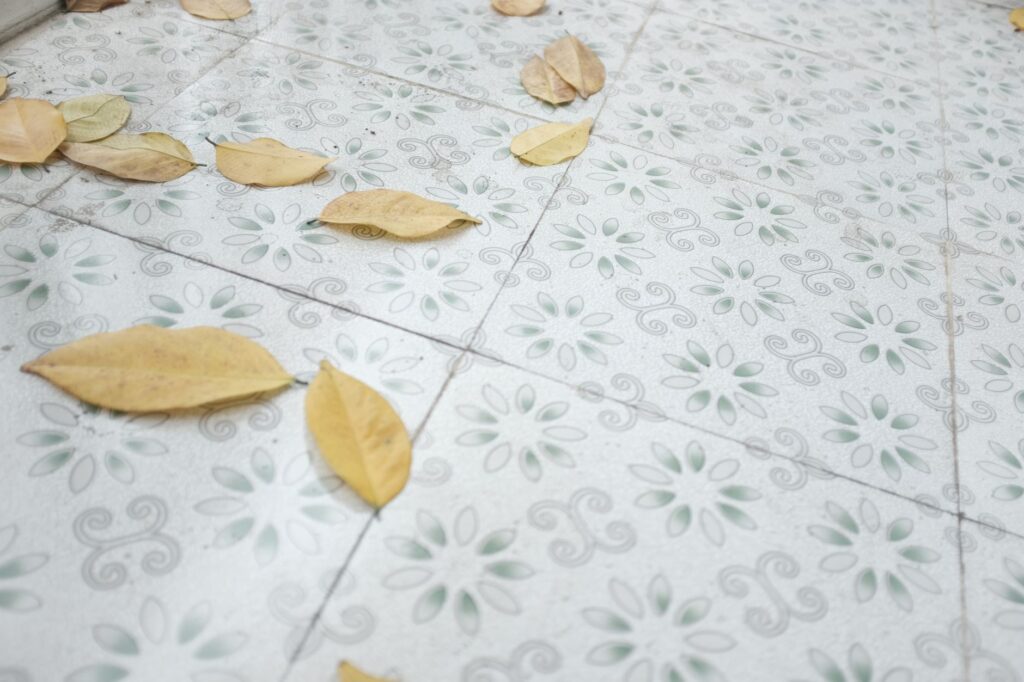
Porcelain Tile Flooring Cost in Texas: 2024 Price Guide
Porcelain Tile Flooring Cost in Texas: What Texans Really Pay
Quick Answer: What Does Porcelain Tile Flooring Cost in Texas?
Most Texans pay between $8 and $18 per square foot for professionally installed porcelain tile flooring, all-in. That means a typical 200 sq. ft. kitchen runs $1,600 to $3,600, while a full 1,000 sq. ft. open-concept living area could cost $8,000 to $18,000. Price swings depend on tile quality, subfloor prep, and local labor rates. DIYers can save on labor but still spend $3–$7 per sq. ft. on materials alone.
| Project Size | Low-End Cost | High-End Cost |
|---|---|---|
| Small Bathroom (50 sq. ft.) | $400 | $900 |
| Kitchen (200 sq. ft.) | $1,600 | $3,600 |
| Living Room (400 sq. ft.) | $3,200 | $7,200 |
| Whole House (1,000 sq. ft.) | $8,000 | $18,000 |
Average Cost in Texas
Across Texas, the average installed cost for porcelain tile flooring is about $12 per square foot. In cities like Houston, Dallas, and Austin, labor rates run $4–$7 per sq. ft., with material costs ranging from $3 to $10 per sq. ft. depending on tile quality and style. Rural areas may see slightly lower labor, but travel charges often offset the savings. These numbers come straight from field estimates, tile distributor invoices, and recent job bids in Texas homes.
Texas vs National Average
The national average for installed porcelain tile flooring is around $13–$15 per sq. ft., so Texans generally pay a bit less—thanks to competitive labor and the state’s large supply of tile installers. However, specialty tiles or complex patterns can push Texas jobs above the national average, especially in high-end new builds or luxury remodels.
| Region | Average Cost (per sq. ft.) |
|---|---|
| Texas | $12 |
| National Average | $14 |
Cost Breakdown: Where Your Money Goes
- Porcelain Tile: $3–$10 per sq. ft. (standard to premium brands)
- Thinset & Grout: $0.50–$1 per sq. ft.
- Subfloor Prep (leveling, backer board): $1–$3 per sq. ft.
- Labor: $4–$7 per sq. ft. (higher for patterns or large-format tile)
- Demo/Disposal (if needed): $1–$2 per sq. ft.
- Permits (if required): $100–$200 per permit
| Component | Cost Range (per sq. ft.) |
|---|---|
| Tile Material | $3–$10 |
| Labor | $4–$7 |
| Prep & Underlayment | $1–$3 |
| Demo/Disposal | $1–$2 |
| Thinset & Grout | $0.50–$1 |
Cost by Material or Type
Porcelain tile comes in a range of finishes and formats, each affecting the price:
- Standard Glazed Porcelain: $3–$6 per sq. ft. Durable and easy to clean, good for most homes.
- Wood-Look Porcelain Plank: $4–$8 per sq. ft. Popular in Texas for its style and scratch resistance.
- Large-Format (24″x24″ or bigger): $5–$10 per sq. ft. More dramatic, but higher labor for handling and leveling.
- Rectified Edge Tile: $5–$9 per sq. ft. Allows for tighter grout lines, but installation takes more skill.
| Type | Material Cost (per sq. ft.) | Labor Cost (per sq. ft.) |
|---|---|---|
| Standard Glazed | $3–$6 | $4–$6 |
| Wood-Look Plank | $4–$8 | $5–$7 |
| Large-Format | $5–$10 | $6–$8 |
Cost by Brand
Brand matters, especially for color consistency, edge quality, and warranty. Texans often see these three brands in supply houses and on job sites:
| Brand | Material Cost (per sq. ft.) | Warranty | Best For |
|---|---|---|---|
| Daltile | $3–$7 | 1 year limited | Budget remodels, rental properties |
| Marazzi | $4–$9 | Limited lifetime | High-traffic, stylish Texas homes |
| Emser Tile | $5–$10 | 1–10 years (varies) | Premium finishes, modern builds |
Cost by Home/Project Size
Smaller jobs (under 100 sq. ft.) cost more per square foot due to setup and minimum labor charges. Large, open spaces can bring costs down by $1–$2 per sq. ft. For example, a 50 sq. ft. powder bath might run $15–$18 per sq. ft. all-in, while a 1,000 sq. ft. living area could hit $9–$12 per sq. ft. with efficient layout and minimal cuts.
Hidden Costs Texans Should Watch For
- Slab Cracks/Leveling: Texas clay soils cause slab movement—budget for self-leveling compound or crack isolation membrane ($1–$3 per sq. ft.).
- Old Flooring Removal: Removing glued-down vinyl or old tile is labor-intensive and adds $1–$2 per sq. ft.
- Baseboard/Trim Work: Detaching and resetting trim runs $2–$5 per linear foot.
- Waste: Plan 10–15% extra tile for cuts and future repairs, especially with diagonal or offset layouts.
Permit and Inspection Costs in Texas
Most Texas cities don’t require a permit for basic flooring swaps, but some (like Austin and San Antonio) require one if you’re modifying subfloor, altering plumbing, or working in multi-family buildings. Expect permit fees of $100–$200. Inspections usually focus on moisture barriers and underlayment, especially in ground-floor installations. Failing to pull a permit—if required—can delay closings or insurance claims.
ROI and Resale Value
Porcelain tile has a strong ROI in Texas, especially in kitchens and main living areas. Expect to recoup 70–80% of the investment at resale, higher in areas prone to flooding or with buyers seeking low-maintenance flooring. Tile is a selling point in humid or coastal Texas markets, where carpet and wood can struggle.
Lifespan and Warranty
Porcelain tile floors regularly last 30–50 years with proper installation and care. Warranties vary: most brands offer 1–10 years covering defects, but labor is rarely included. Grout and underlayment typically aren’t warrantied past the first year unless you use premium systems. In Texas, shifting slabs can stress grout lines—look for flexible grout and expansion joints for best results.
DIY vs Professional Installation
DIYers can save $4–$7 per sq. ft. on labor, but must budget for tool rental and extra materials due to mistakes. Professional installers deliver better leveling, straight lines, and faster turnarounds. In Texas, pros are familiar with local slab issues and can spot hidden problems. DIY is reasonable for small, square rooms, but large or patterned jobs are best left to the pros. Poor installation shows up in cracked grout, uneven tiles, and callbacks from picky buyers.
Project Timeline
- Small Bath (50 sq. ft.): 2–3 days
- Kitchen (200 sq. ft.): 3–5 days
- Whole House (1,000 sq. ft.): 7–10 days
Add 1–2 days for subfloor repairs, and an extra day if demo is extensive. Texas humidity can slow thinset and grout curing, especially in spring and summer.
Common Mistakes That Cost Texans
- Skipping slab prep—leads to cracked tiles in Texas clay soil zones.
- Buying cheap tile with size or color inconsistencies (common at big box stores).
- Underestimating waste—especially with diagonal layouts or large-format tile.
- Not sealing grout in kitchens and baths—stains and mildew set in fast with Texas humidity.
- Ignoring expansion joints—tiles can buckle in Texas temperature swings.
Money-Saving Tips
- Buy tile during clearance sales at local Texas distributors—avoid big box “special buys” with inconsistent lots.
- Ask for labor quotes that break out prep, install, and demo—some Texans DIY the demo to save $1–$2 per sq. ft.
- Stick to standard sizes and layouts—herringbone or diagonal patterns add 10–20% to labor.
- Order 10–15% extra tile up front—matching later is tough, and restocking fees are high.
- Combine jobs (multiple rooms) for better per-foot pricing from installers.
Buyer’s Guide: Top Porcelain Tile Brands Installed in Texas
| Brand | Cost (per sq. ft.) | Lifespan | Durability | Maintenance | Warranty | Install Difficulty | Best For | Advantage | Drawback |
|---|---|---|---|---|---|---|---|---|---|
| Daltile | $3–$7 | 25–40 yrs | Good | Low | 1 yr limited | Easy | Budget projects, rentals | Widely available, many styles | Limited premium options |
| Marazzi | $4–$9 | 30–50 yrs | Excellent | Low | Lifetime limited | Moderate | High-traffic, design-focused homes | Great pattern/color consistency | Higher price, limited budget lines |
| Emser Tile | $5–$10 | 30–50 yrs | Excellent | Low | 1–10 yrs (varies) | Moderate/Hard (large format) | Modern, premium spaces | Unique finishes, large formats | Can be harder to source replacement tile |
- Best Budget: Daltile — affordable, reliable, and easy to find at Texas distributors.
- Best Overall Value: Marazzi — great durability, style, and a strong warranty for most Texas homes.
- Best Premium: Emser Tile — top choice for luxury finishes and unique looks.
- Contractor’s Choice: Marazzi — consistent sizing and color make installations faster and better-looking.
FAQ: Texans’ Real Questions About Porcelain Tile Flooring
- Is porcelain tile good for Texas humidity and slab movement?
Yes—porcelain resists moisture, and with proper slab prep and flexible grout, it holds up well to Texas soils. - How much does it cost to remove old tile before installing new porcelain?
Most Texas contractors charge $1–$2 per sq. ft. for demo and disposal, depending on how well the old tile is bonded. - Can I install porcelain tile over a concrete slab in Texas?
Absolutely, but the slab must be clean, level, and crack-free. Many Texas homes need a crack isolation membrane due to shifting soils. - How long before I can walk on new porcelain tile?
Light foot traffic is usually OK after 24 hours, but avoid heavy furniture or mopping for at least 72 hours—especially in humid Texas weather. - Does porcelain tile increase home value in Texas?
Yes, especially in kitchens, baths, and main living areas—buyers see it as durable, low-maintenance, and great for Texas climates. - Do I need a permit to install porcelain tile in my Texas home?
Usually not for simple swaps, but check with your city if you’re changing subfloor, plumbing, or working in a condo or multi-family building.
Ready to Get Started? Next Steps for Texans
Porcelain tile flooring is a smart, durable upgrade for Texas homes—but only if installed right. Get at least three written quotes from licensed Texas tile contractors. Ask for a detailed scope, check references, and confirm their experience with Texas slab conditions and your chosen tile brand. Don’t settle for a handshake or a vague estimate. The right pro will help you avoid hidden costs and get the most out of your investment for decades to come.