
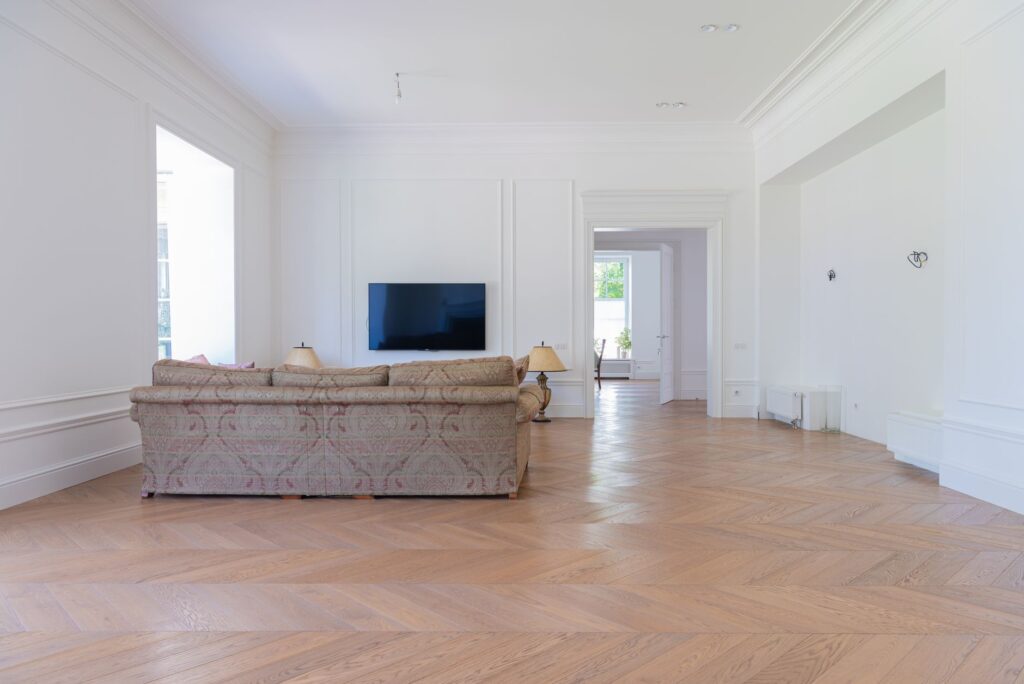
Engineered Hardwood Flooring Cost in Texas | 2024 Price Guide
Engineered Hardwood Flooring Cost in Texas: Real Prices, Brands & What to Expect
Quick Answer: What Texans Pay for Engineered Hardwood Floors
In Texas, installing engineered hardwood flooring typically runs between $7 and $16 per square foot installed, depending on material quality, labor, floor prep, and job size. Most Texans spend $8,500 to $18,500 for a 1,200 sq. ft. home, with high-end jobs or complex layouts pushing $20,000 or more.
| Cost Summary | Low End | Mid Range | High End |
|---|---|---|---|
| Per Square Foot (Installed) | $7 | $11 | $16 |
| 1,000 sq. ft. Home | $7,000 | $11,000 | $16,000 |
| 1,500 sq. ft. Home | $10,500 | $16,500 | $24,000 |
| Extra for Stairs/Pattern | +15% | +20% | +25% |
Average Cost in Texas
For most Texas homes, engineered hardwood flooring lands at $9 to $13 per sq. ft. installed, including materials, labor, and basic demo. Entry-level products start around $4 per sq. ft. (material only), but reputable contractors in Texas charge $3 to $6 per sq. ft. for labor, depending on subfloor, layout, and jobsite accessibility. For a typical 1,200 sq. ft. install, you'll see bids from $9,000 to $15,600.
Texas vs National Average
Texas prices for engineered hardwood are generally 5-15% lower than the national average due to lower labor rates and less expensive permitting in most cities. For example, Dallas and Houston often come in $1-2 per sq. ft. cheaper than coastal metros. However, premium wide-plank or hand-scraped products can match or exceed national rates, especially with designer finishes.
Cost Breakdown: Where the Money Goes
| Component | Percent of Total | Typical Range per sq. ft. |
|---|---|---|
| Material | 50-65% | $4 – $10 |
| Labor | 30-45% | $3 – $6 |
| Demo & Prep | 5-10% | $0.50 – $1.50 |
| Permits/Inspections | 1-2% | $0.10 – $0.25 |
Prices estimated from recent Texas projects (2023-2024), using $50-$70/hr skilled labor, 10-20% material markup, and city permit schedules from Austin, Dallas, and Houston.
Cost by Material or Type
| Type | Material Cost/sq. ft. | Installed Cost/sq. ft. | Notes |
|---|---|---|---|
| Entry-Level (3/8" – 1/2", basic veneer) | $3.50 – $5 | $7 – $10 | Good for rentals, lower resale |
| Mid-Grade (1/2" – 5/8", oak/maple, 5-7 ply) | $5 – $7.50 | $9 – $13 | Best value for most Texas homes |
| Premium (3/4", wide plank, exotic woods) | $8 – $12 | $13 – $18+ | Designer look, high resale |
Cost by Brand
| Brand | Material Cost/sq. ft. | Warranty | Best For |
|---|---|---|---|
| Shaw | $4 – $8 | 20-50 years | Mid-budget, wide selection |
| Mohawk | $5 – $10 | 25-50 years | Durability, families, pets |
| Anderson Tuftex | $7 – $14 | 50 years, some lifetime | High-end, design |
Cost by Home or Project Size
- Small rooms (200-400 sq. ft.): $1,600 – $5,000. Higher per-foot cost due to minimum labor charges.
- Medium homes (800-1,200 sq. ft.): $7,000 – $15,600. Most Texas jobs land here.
- Large installs (2,000+ sq. ft.): $15,000 – $30,000+. Discounts possible for open layouts, but complex jobs (stairs, patterns) add 10-30%.
Hidden Costs Texans Run Into
- Subfloor repairs: $2-$6/sq. ft. if moisture or leveling is needed (common in older Texas homes with pier-and-beam foundations).
- Moisture barriers: $0.50-$1.50/sq. ft., essential for slab installs in humid Texas regions.
- Furniture moving: $200-$600 depending on rooms and weight.
- Trim and transition pieces: $3-$8 per linear foot for stained-to-match options.
- Delivery and haul-off: $100-$500 for material drop-off and old floor disposal.
Permit and Inspection Costs in Texas
Permits for flooring are not always required, but some Texas cities (like Austin and Houston) mandate permits for jobs involving subfloor repair or structural changes. Permit fees run $75 to $200 per project. Inspections are rare unless major floor leveling, asbestos abatement, or structural work is involved. Always check with your local Texas city building department before starting work—unpermitted jobs can delay resale or trigger fines.
ROI and Resale Value
Engineered hardwood floors return 55-80% of their cost at resale in Texas, especially in mid- to high-end neighborhoods. Real estate agents in Dallas and Austin consistently rate engineered hardwood as a top upgrade for marketability. ROI is highest when replacing carpet or damaged vinyl, or when matching existing wood in open-plan homes.
Lifespan and Warranty
- Average lifespan: 20-40 years with proper care; premium products can last longer.
- Warranty: Most brands offer 20-50 years on finish and structure. Some premium lines carry limited lifetime coverage.
- Texas climate factor: Engineered hardwood handles humidity swings better than solid wood, but slab-on-grade installs must use proper vapor barriers to avoid warping.
DIY vs Professional Installers in Texas
DIY material costs are the same, but you save $3-$6 per sq. ft. in labor. However, most failed installs I've seen in Texas come down to poor subfloor prep, skipped moisture barriers, or improper acclimation. Professional installers know local codes, acclimate materials for Texas humidity, and warranty their work. For jobs over 400 sq. ft., stairs, or glue-down installs, pros are worth the cost. DIY is most realistic for floating click-lock planks in a single room with a flat slab.
| Labor vs Material Costs | DIY | Professional |
|---|---|---|
| Material (per sq. ft.) | $4 – $12 | $4 – $12 |
| Labor (per sq. ft.) | $0 | $3 – $6 |
| Tools/Rentals | $150 – $500 | Included |
| Warranty | Material only | Material + labor |
Project Timeline in Texas
- Small room (200-400 sq. ft.): 1-2 days
- Whole home (1,000-2,000 sq. ft.): 3-7 days
- Additional time: Add 1-2 days for subfloor repair, moisture mitigation, or intricate patterns.
Common Mistakes That Cost Texans
- Skipping subfloor moisture checks—leads to buckling on Texas slabs.
- Not acclimating planks for 72 hours before install; crucial in humid months.
- Choosing thin veneer (under 2mm)—can't be refinished and wears out fast.
- Hiring uninsured or unlicensed crews; no recourse if work fails.
- Ordering too little material—always add 7-10% for waste and cuts.
Money-Saving Tips
- Ask for leftover lots—many Texas flooring suppliers discount overstocked colors.
- Schedule installs in winter or late summer when crews are less busy; some offer off-season rates.
- Prep rooms yourself (remove furniture, baseboards) to cut labor hours.
- Get multiple Texas contractor quotes—bids can vary by 20% or more.
- Consider mid-grade planks; often same warranty as premium but at lower cost.
Buyer's Guide: Top Engineered Hardwood Brands in Texas
| Brand | Cost/sq. ft. | Lifespan | Durability | Maintenance | Warranty | Install Difficulty | Best For |
|---|---|---|---|---|---|---|---|
| Shaw | $4 – $8 | 20-30 yrs | Good (7-ply) | Low; easy clean | 20-50 yrs | Easy-moderate | Budget, quick jobs |
| Mohawk | $5 – $10 | 25-35 yrs | Excellent (8+ ply) | Low; pet/kid friendly | 25-50 yrs | Moderate | Active homes |
| Anderson Tuftex | $7 – $14 | 30-50 yrs | Premium (multi-ply, thick veneer) | Low; resands possible | 50 yrs/lifetime | Pro recommended | Luxury, resale |
- Best Budget: Shaw — affordable, reliable, easy to find in Texas.
- Best Overall Value: Mohawk — great durability for active families without premium pricing.
- Best Premium: Anderson Tuftex — unmatched finish and lifespan for upscale homes.
- Contractor’s Choice: Mohawk — consistent quality, good warranty support, wide local distributor network.
FAQ: Engineered Hardwood Flooring in Texas
- How does Texas humidity affect engineered hardwood flooring?
Engineered hardwood is more stable than solid wood, but always use a vapor barrier over slabs and acclimate planks for at least 72 hours before install to prevent warping or cupping. - Can engineered hardwood be refinished in Texas?
Some premium products with thick (2mm+) veneers can be lightly refinished once. Most entry/mid-grade options are designed for screen-and-recoat, not full sanding. - Is glue-down or floating better for Texas homes?
On slabs, glue-down is more common for stability. Floating works on flat, dry subfloors but may sound hollow if prep isn’t perfect. Always ask your installer what they recommend for your foundation type. - How do I maintain engineered hardwood in Texas climate?
Sweep often, use a damp mop (never wet), and keep indoor humidity between 35-55%. Use felt pads on furniture and avoid harsh cleaners. - What’s the best time of year to install engineered hardwood in Texas?
Late fall and winter are ideal—humidity is lower, and installers tend to have more availability, which can mean better pricing and scheduling. - Do I need a permit to install engineered hardwood in Texas?
Usually not, unless you’re doing major subfloor repairs or structural work. Always check with your city’s building department to avoid headaches at resale.
Ready for New Floors? Next Steps for Texans
Engineered hardwood is a smart investment for Texas homes—if you choose the right product and installer. Get at least three written quotes from licensed, insured Texas contractors who are familiar with local codes and climate. Ask for recent local references, verify warranty coverage, and always review the full scope of work before signing. A little homework up front can save you thousands and ensure your new floors look great for years to come.