
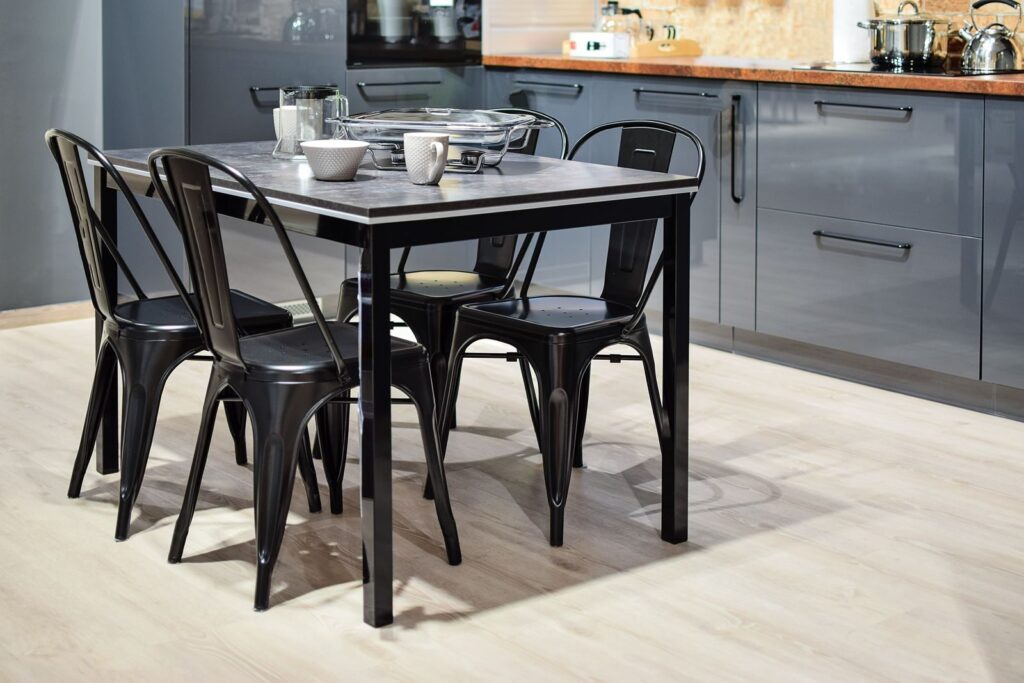
Affordable Kitchen Flooring Replacement Cost in Texas
Kitchen Flooring Replacement Cost in Texas
Replacing your kitchen flooring is a significant investment that can rejuvenate the heart of your home. In Texas, where the climate can be both humid and arid, choosing the right flooring material and understanding the associated costs is crucial. This guide will provide you with a comprehensive breakdown of kitchen flooring replacement costs in the Lone Star State.
- Quick Answer
- Average Cost
- Cost Summary Table
- Cost Breakdown
- Cost by Material
- Material Comparison Table
- Labor vs Material Table
- Hidden Costs
- Permit Costs
- DIY vs Professional
- Timeline
- Common Mistakes
- Money Saving Tips
- Maintenance Tips
- Buyer’s Guide
- Frequently Asked Questions
- Next Steps
Quick Answer
The cost to replace kitchen flooring in Texas can range from $1,500 to $5,000 or more, depending on the materials chosen and the size of the kitchen. Factors such as labor rates, material costs, and regional specifics like climate can significantly influence the total expense. High humidity could affect the selection of adhesives, especially for materials like vinyl and laminate, making it essential to choose products suitable for local conditions.
Average Cost
On average, Texas homeowners spend between $2,000 and $4,000 for kitchen flooring replacement. This price range includes both materials and professional installation. High-end materials such as natural stone or exotic hardwoods can increase expenses, while more budget-friendly options like laminate or vinyl can help keep costs down. Also, consider regional labor cost variations—urban areas in Texas, such as Austin or Dallas, may have higher labor rates due to the increased demand for skilled contractors.
Cost Summary Table
| Cost Factor | Low Estimate | High Estimate |
|---|---|---|
| Materials | $800 | $3,000 |
| Labor | $700 | $2,000 |
| Additional Costs | $100 | $500 |
Cost Breakdown
Understanding where your money goes can help in budgeting and decision-making:
- Materials: The cost of materials is a major component and varies widely based on choice. Options like ceramic tiles can offer long-term benefits in Texas due to their cooling properties in hot weather.
- Labor: Professional installation ensures quality results. Labor costs can vary; expect to pay more in urban areas where demand is high.
- Additional Costs: These may include removal of old flooring, subfloor repair, and disposal fees.
Cost by Material
Material choice significantly impacts total costs. Here’s how some popular options compare:
Material Comparison Table
| Material | Cost per Sq Ft | Lifespan | Maintenance |
|---|---|---|---|
| Vinyl | $2 – $5 | 10-20 years | Low |
| Laminate | $3 – $7 | 15-25 years | Moderate |
| Tile | $5 – $10 | 25-50 years | Low |
Labor vs Material Table
| Component | Percentage of Total Cost |
|---|---|
| Materials | 50% – 70% |
| Labor | 30% – 50% |
Hidden Costs
Replacing kitchen flooring can come with unexpected expenses. Be prepared for potential hidden costs such as repairing underlying subfloor issues or purchasing additional tools and materials if you’re going the DIY route. In Texas, soil movement can sometimes lead to subfloor damage, which may not be evident until the old flooring is removed.
Permit Costs
In Texas, a permit might not be required solely for replacing kitchen flooring. However, if the project involves structural changes or significant electrical adjustments, obtaining a permit will be necessary, potentially adding $100 to $500 to your project budget. Always check with your local municipal office for detailed guidance, especially if living in a historic district.
DIY vs Professional
While DIY can save money upfront, professional installation often yields better, more durable results. Consider your skill level and time availability before deciding. For complex materials like tile, hiring a contractor is often the best option. In regions like Texas, where homes often feature open-concept layouts, achieving a seamless finish can be challenging for DIY enthusiasts.
Timeline
Replacing kitchen flooring usually takes 2-5 days, depending on the material and the size of the project. This timeline includes removal of old flooring, preparation of the subfloor, and installation of new materials. Material choice impacts this greatly; for instance, tile installations can be more time-consuming due to the setting time required for adhesives and grout.
Common Mistakes
- Underestimating total costs by ignoring additional expenses like disposal fees.
- Choosing materials unsuited for Texas climate, leading to premature wear.
- Improper installation due to lack of experience, resulting in uneven flooring.
- Failing to acclimate materials such as laminate, which can expand or contract with temperature and humidity changes, common in Texas.
Money Saving Tips
Consider these tips to reduce costs without sacrificing quality:
- Purchase materials during sales or in bulk for discounts.
- Remove old flooring yourself if feasible to save on labor.
- Choose durable, mid-priced materials like laminate for a balance of cost and longevity.
- Check local suppliers for end-of-line or clearance stock, which can often provide high-quality materials at a reduced price.
Maintenance Tips
Proper maintenance extends the life of your flooring:
- For vinyl and laminate, use a damp mop with a mild cleaner.
- Regularly sweep and vacuum to remove debris that can cause scratches.
- Protect high-traffic areas with rugs or floor mats.
- In Texas, where dust can be prevalent, keeping floors clean will not only maintain their appearance but also reduce wear over time.
Buyer’s Guide
Here’s a comparison of common kitchen flooring materials in Texas:
Vinyl
- Cost: $2 – $5 per square foot
- Lifespan: 10-20 years
- Durability: Good for moderate traffic
- Maintenance: Low
- Warranty: Typically 10 years
- Installation Difficulty: Easy
- Best For: Budget-conscious homeowners
- Biggest Advantage: Cost-effective and water-resistant
- Biggest Drawback: Less luxurious appearance than other materials
Laminate
- Cost: $3 – $7 per square foot
- Lifespan: 15-25 years
- Durability: Resistant to scratches, good for families
- Maintenance: Moderate
- Warranty: Up to 25 years
- Installation Difficulty: Moderate
- Best For: Homes with children and pets
- Biggest Advantage: Durable and realistic wood-like appearance
- Biggest Drawback: Susceptible to water damage if not properly sealed
Tile
- Cost: $5 – $10 per square foot
- Lifespan: 25-50 years
- Durability: Excellent in high-traffic areas
- Maintenance: Low
- Warranty: Varies, often lifetime for defects
- Installation Difficulty: Difficult
- Best For: Long-term investment and high-traffic areas
- Biggest Advantage: Extremely durable and moisture-resistant
- Biggest Drawback: Higher installation cost and difficulty
Best Budget Choice: Vinyl, for its affordability and ease of installation.
Best Overall Value: Laminate, balancing aesthetics, durability, and cost.
Best Premium Choice: Tile, for its longevity and durability.
Contractor’s Choice: Laminate, due to its easy installation and versatility in style.
Frequently Asked Questions
What is the most durable kitchen flooring material for Texas?
Tile is often considered the most durable option, capable of withstanding Texas’s diverse climate and high foot traffic.
How do Texas climates affect kitchen flooring choices?
Texas’s varied climate, from humid to dry, demands moisture-resistant and durable flooring materials like tile or high-quality laminate.
Can I replace kitchen flooring myself?
While DIY is possible for simpler materials like vinyl, professional installation is recommended for complex materials like tile to ensure quality results.
How long does it take to replace kitchen flooring?
Typically, it takes between 2 to 5 days depending on the material and size of the project.
Do I need a permit to replace kitchen flooring in Texas?
A permit is generally not required unless structural changes are involved. Check local regulations to be certain.
Next Steps
Now that you have a better understanding of the costs and considerations involved in replacing your kitchen flooring, it’s time to gather quotes from multiple contractors to find the best fit for your needs and budget. Planning ahead and comparing options will help ensure a successful and cost-effective renovation.