
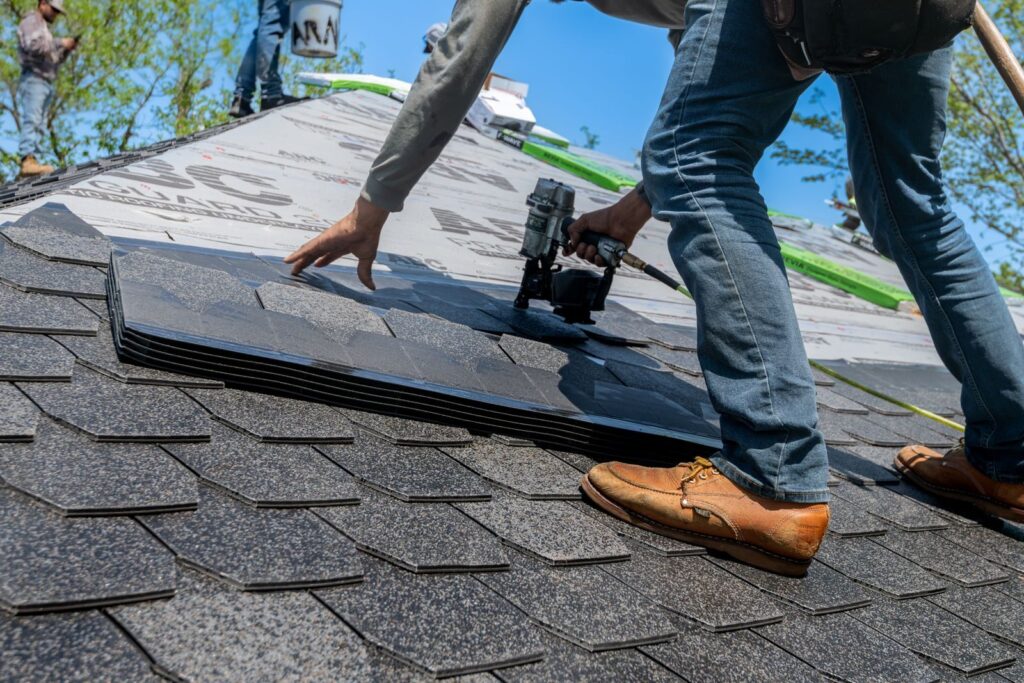
Asphalt Shingle Roof Cost in Florida: Pricing Guide 2023
Asphalt Shingle Roof Cost in Florida
Replacing or installing an asphalt shingle roof in Florida can vary significantly in cost depending on factors like material quality, roof complexity, and local labor rates. On average, homeowners should expect to pay between $5,000 and $11,000 for a typical residential roof. However, specific circumstances such as storm damage or high-end material choices can drive the cost higher. Given Florida’s unique climate challenges, including hurricanes and intense sun, selecting the right shingle and contractor is crucial for long-term roof performance.
- Average Cost
- Cost Summary Table
- Cost Breakdown
- Cost by Material
- Buyer’s Guide
- Hidden Costs
- Permit Costs
- DIY vs Professional
- Common Mistakes
- Frequently Asked Questions
- Planning Your Project
Average Cost
The average cost of installing an asphalt shingle roof in Florida ranges from $8,000 to $10,000 for a standard 2,000-square-foot home. This price includes materials, labor, and necessary permits. Variations in cost arise from factors like roof pitch, shingle quality, and local market conditions, especially since Florida’s climate demands materials that can withstand both sun and storm. Coastal areas may experience slightly higher costs due to stricter building codes and the need for more durable materials.
For example, a homeowner in Miami might find costs at the higher end of the spectrum due to the area’s exposure to hurricane-force winds, whereas someone in central Florida could experience slightly lower costs. Regardless, investing in quality materials and installation can prevent future damage and save money over time.
Cost Summary Table
| Cost Component | Range |
|---|---|
| Materials | $3,000 – $6,500 |
| Labor | $2,500 – $4,000 |
| Permits | $200 – $500 |
| Removal of Old Roof | $1,000 – $2,000 |
Cost Breakdown
Roofing costs are largely divided into materials and labor. Material costs can be influenced by the choice of shingle, with premium architectural styles costing more than standard three-tab varieties. Labor costs in Florida may be higher due to additional precautions required for hurricane-prone areas, such as securing shingles with extra fasteners. Additionally, labor costs can vary depending on the contractor’s experience and reputation. It’s essential to get detailed quotes that outline labor and material expenses to avoid surprises.
Remember, while DIY projects might seem appealing for saving on labor, the risks and potential for errors in Florida’s challenging climate can lead to more significant expenses down the line. Professional installation often includes guarantees and peace of mind that your roof can withstand the state’s harsh weather conditions.
Cost by Material
Different types of asphalt shingles can affect the overall cost. In Florida, where durability against harsh weather is crucial, many homeowners opt for shingles with high wind resistance or algae-resistant properties. Algae resistance is particularly important in humid regions of Florida, where algae growth can cause unsightly stains and accelerate roof aging.
| Material Type | Cost Per Square Foot | Durability |
|---|---|---|
| Three-tab Shingles | $0.90 – $1.50 | Moderate |
| Architectural Shingles | $1.50 – $2.50 | High |
| Luxury Shingles | $2.50 – $4.00 | Very High |
Buyer’s Guide
Choosing shingles involves balancing cost, durability, and aesthetic appeal. Let’s compare three popular options:
Three-tab Shingles
Cost: Low
Lifespan: 15-20 years
Durability: Moderate, less wind resistance
Maintenance: Minimal
Warranty: Typically 20 years
Installation Difficulty: Easy
Best For: Budget-conscious projects
Biggest Advantage: Cost-effectiveness
Biggest Drawback: Lower durability in storms
Architectural Shingles
Cost: Moderate
Lifespan: 25-30 years
Durability: High, better wind resistance
Maintenance: Very low
Warranty: 30-50 years
Installation Difficulty: Moderate
Best For: Homeowners seeking durability and style
Biggest Advantage: Improved aesthetics and strength
Biggest Drawback: Higher upfront cost
Luxury Shingles
Cost: High
Lifespan: 30-50 years
Durability: Very high, excellent wind resistance
Maintenance: Very low
Warranty: 50+ years
Installation Difficulty: Complex
Best For: High-end homes with intricate designs
Biggest Advantage: Superior durability and aesthetic
Biggest Drawback: Significantly higher cost
Recommendations
Best Budget Choice: Three-tab Shingles. Ideal for homeowners focused on keeping initial costs low while still providing adequate protection. However, they may not withstand Florida’s severe weather as well as other options.
Best Overall Value: Architectural Shingles. Offers a balance of durability, aesthetic appeal, and affordability, making it a great long-term investment especially in hurricane-prone areas.
Best Premium Choice: Luxury Shingles. For those who want the best protection and appearance, and are willing to pay for it. These are particularly suitable for Florida’s upscale communities where appearance and longevity are key considerations.
Contractor’s Choice: Architectural Shingles. Most contractors recommend these for their combination of cost, durability, and ease of installation, especially in regions where hurricanes are a concern.
Permit Costs
Getting a new roof in Florida will require permits, which cost between $200 and $500 depending on the municipality. This is a crucial step to ensure your new roof meets all safety and building standards. It’s wise to consult with your contractor to ensure all necessary permits are included in your project cost breakdown.
In some coastal areas, additional permits or inspections might be required to adhere to stringent hurricane protection standards. Homeowners should verify with their local building department to avoid costly delays or fines during the project.
DIY vs Professional
While a DIY roofing project might seem like a cost-saving measure, it is often not advisable due to the complexities involved. A professional roofer ensures compliance with local codes, provides warranties, and has the expertise to handle Florida’s unique weather challenges efficiently. Additionally, mistakes in installation can void warranties, leaving the homeowner with little recourse if problems arise. Professional installation also includes detailed inspections to catch potential issues early, which is vital in the prevention of water damage from Florida’s frequent rainstorms.
Moreover, roofing work can be physically demanding and dangerous, especially in Florida’s hot climate. Professionals have the right tools and safety equipment to manage these conditions safely, reducing the risk of accidents.
Common Mistakes
Avoid pitfalls such as choosing the cheapest materials without considering durability, neglecting to check contractor references, and failing to understand warranty terms. In Florida, overlooking these aspects can lead to costly repairs after the next hurricane season. Not all shingles are created equal, and selecting those with high wind and algae resistance can make a significant difference in their performance and longevity.
Another common mistake is failing to adequately prepare for the installation, such as not clearing the surrounding area of obstacles or not scheduling the project during a dry season to minimize weather-related delays. Taking the time to plan properly can ensure a smoother process and reduce the chance of unforeseen problems.
Frequently Asked Questions
How often should I replace my asphalt shingle roof in Florida?
Due to the harsh weather conditions, expect to replace a standard asphalt shingle roof every 15 to 20 years, though upgraded materials can extend this timeframe. Regular inspections and maintenance can also help maximize the lifespan of your roof.
Are there any specific shingles recommended for hurricane-prone areas?
Yes, architectural and luxury shingles are recommended for their superior wind resistance, which is crucial in hurricane-prone areas like Florida. These shingles are often designed to withstand winds of up to 130 mph or more, providing peace of mind during storm season.
How does the cost of roofing in coastal Florida compare to inland?
Coastal areas typically see higher labor and material costs due to the increased demand for storm-resistant features and the logistics of transporting materials. Coastal building codes are often more rigorous, requiring additional materials and labor to comply, thus increasing costs.
Can insurance cover the cost of a new roof?
Insurance may cover roof replacement if the damage is due to a covered peril such as a storm. Always check your policy details and the extent of coverage. It’s crucial to document any weather-related damage immediately to facilitate claims processing.
What warranties are typically available with asphalt shingles?
Warranties vary by manufacturer but typically range from 20 to 50 years, covering manufacturing defects. Some may offer extended coverage for additional costs. Review warranty terms carefully to understand what is and isn’t covered, especially regarding wind and algae resistance.
What maintenance is required for asphalt shingles in Florida?
Regular maintenance includes visual inspections for damaged shingles, ensuring gutters are clear to prevent water backups, and checking for signs of algae or mildew, especially in humid areas. Engaging a professional for annual check-ups can help prolong the lifespan of your roof.
Planning Your Project
To ensure the best results and fair pricing, obtain multiple quotes from reputable contractors, especially those familiar with Florida’s weather challenges. Carefully review all proposals, evaluate the materials offered, and plan your budget accordingly. A well-planned project can save you money and headaches in the long run. Don’t rush the decision-making process; instead, spend time reviewing contractor credentials, understanding material options, and setting realistic expectations for both cost and timeline.
Consider timing your project with the off-peak season to potentially benefit from reduced labor costs and faster scheduling. Working with a local contractor who understands Florida’s specific needs can greatly enhance the success and longevity of your roofing investment.