
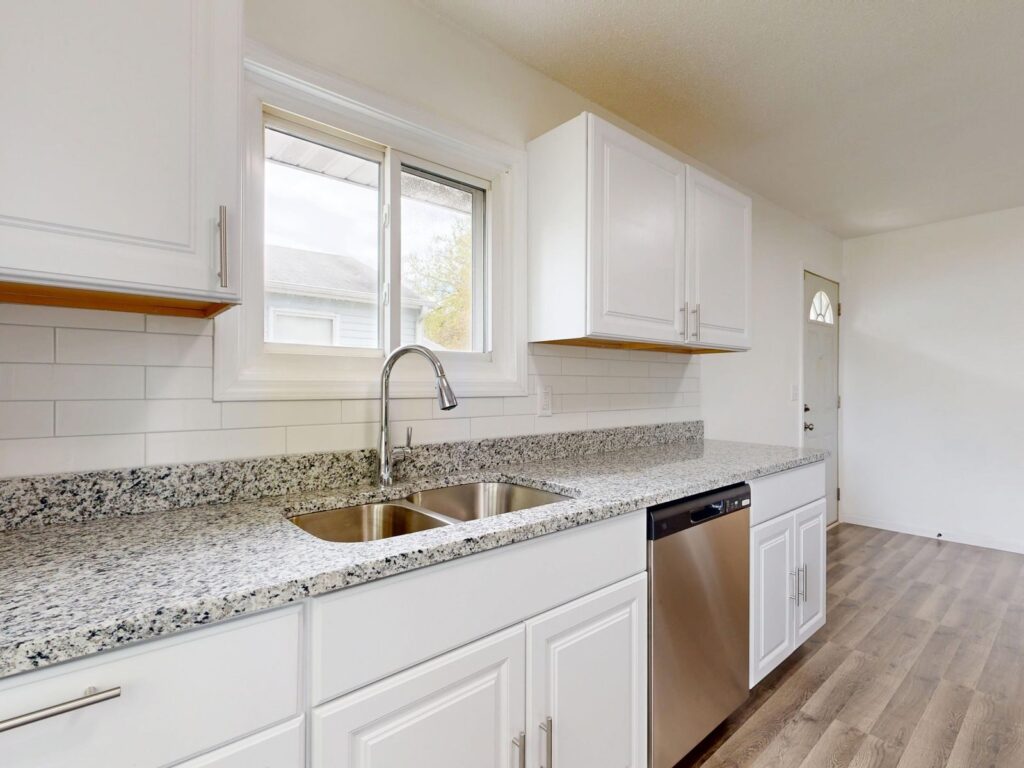
Granite Countertop Installation Cost in Texas – Affordable Options
Granite Countertop Installation Cost in Texas
Granite countertops are a popular choice for Texas homeowners seeking durability and elegance in their kitchens. In Texas, the cost of installing granite countertops ranges from $2,000 to $4,500, with most homeowners spending around $3,250 for a standard kitchen installation. The price can vary based on the size of the kitchen, quality of the granite, and any additional customizations.
- Average Cost
- National Average vs State Average
- Cost Summary Table
- Cost Breakdown
- Cost by Material
- Cost by Home Size
- Cost by Project Size
- Material Comparison Table
- Labor vs Material Table
- Pros & Cons Table
- Hidden Costs
- Permit Costs
- Inspection Costs
- DIY vs Professional
- Timeline
- Common Mistakes
- Money Saving Tips
- Maintenance Tips
- Buyer’s Guide
- Frequently Asked Questions
- Encouraging the Next Step
Average Cost
On average, granite countertop installation in Texas costs between $40 and $100 per square foot. This includes both materials and labor. High-end installations with premium granite and intricate designs can cost upwards of $200 per square foot. The overall cost will depend largely on the quality of the granite chosen and the complexity of the installation.
National Average vs State Average
Nationally, the cost for granite countertop installation varies from $2,500 to $5,000. Texas falls slightly below this average due to a competitive labor market and local availability of materials. However, regional nuances such as the specific style of granite popular in Texas can impact prices.
Cost Summary Table
| Cost Component | Low Range | High Range |
|---|---|---|
| Materials | $1,200 | $3,000 |
| Labor | $800 | $1,500 |
| Total | $2,000 | $4,500 |
Cost Breakdown
The cost of installing granite countertops in Texas is divided into materials, labor, and additional costs like sealing and edge treatments. Material costs make up the largest portion, often varying based on the granite’s grade and rarity. Labor costs include cutting, fitting, and securing the countertops, which requires professional expertise to ensure a perfect fit.
Cost by Material
Granite quality significantly affects the price. Basic entry-level granite costs $40 to $50 per square foot, while premium or exotic granite can range from $75 to $100 per square foot. Mid-range options balance aesthetics and durability and typically range from $50 to $75 per square foot.
Cost by Home Size
For small to medium-sized kitchens (50-100 square feet of countertop space), expect to spend between $2,000 and $4,000. Larger kitchens requiring more extensive granite surfaces can increase costs significantly, potentially reaching $5,000 or more based on size and material choice.
Cost by Project Size
Project size impacts labor time and material needs. A small project like a kitchen island alone might cost under $1,500, whereas a full kitchen overhaul could easily surpass $4,000. Custom features like backsplashes or unique edge profiles add value but also increase expenses.
Material Comparison Table
| Material | Cost per Sq Ft | Durability | Maintenance |
|---|---|---|---|
| Entry-Level Granite | $40 – $50 | High | Moderate |
| Mid-Range Granite | $50 – $75 | Very High | Low |
| Premium Granite | $75 – $100 | Exceptional | Minimal |
Labor vs Material Table
| Component | Percentage of Total Cost |
|---|---|
| Materials | 60% – 70% |
| Labor | 30% – 40% |
Pros & Cons Table
| Aspect | Pros | Cons |
|---|---|---|
| Durability | Scratch and heat resistant | Can crack under extreme stress |
| Maintenance | Low with proper sealing | Requires periodic sealing |
| Cost | Increases home value | High initial expense |
Hidden Costs
When budgeting for granite countertops, consider hidden costs such as edge treatments, backsplashes, and demolition of existing surfaces. Additionally, unique designs or custom cuts often come with added charges. Always ask for a detailed estimate to anticipate these expenses.
Permit Costs
Permits for granite countertop installation in Texas are generally not required unless the project includes structural changes or significant plumbing works. However, it’s wise to verify with local building authorities to ensure compliance with any regional codes.
Inspection Costs
While inspections are not typically necessary for countertop installations, they may be required if the project is part of a larger kitchen remodel involving electrical or plumbing modifications. Inspection fees can range from $50 to $200, depending on the scope of work.
DIY vs Professional
Installing granite countertops as a DIY project is challenging and not recommended unless you have significant experience. Granite is heavy and requires precise cutting and fitting. Professional installers have the expertise and tools to handle this material effectively, ensuring a flawless finish.
Timeline
A typical granite countertop installation takes about 1 to 3 days. This timeline includes templating, cutting, and installation. If custom features or complex designs are involved, the timeline may extend by a few additional days.
Common Mistakes
Avoid mistakes such as choosing the wrong countertop thickness for your cabinetry, neglecting to account for cabinet reinforcements, or failing to seal the granite properly. These can lead to costly repairs or replacements down the line.
Money Saving Tips
- Choose remnants or offcuts for small projects to save on material costs.
- Opt for standard edge profiles to reduce fabrication costs.
- Schedule installations during off-peak seasons for potential discounts.
Maintenance Tips
- Seal your granite countertops every 1 to 3 years, depending on usage.
- Clean spills promptly with a pH-balanced cleaner to prevent staining.
- Use cutting boards and trivets to protect the surface from scratches and heat.
Buyer’s Guide
Comparing Granite Options
Choosing the right granite for your countertops involves comparing cost, durability, and aesthetic appeal. Here are three popular options in Texas:
Entry-Level Granite
Cost: $40 – $50 per sq ft
Lifespan: 50+ years
Durability: High
Maintenance: Moderate
Warranty: Limited
Installation Difficulty: Moderate
Best For: Budget-minded renovations
Biggest Advantage: Affordable and attractive
Biggest Drawback: Limited color options
Mid-Range Granite
Cost: $50 – $75 per sq ft
Lifespan: 50+ years
Durability: Very High
Maintenance: Low
Warranty: Standard
Installation Difficulty: Moderate
Best For: Balanced cost and quality projects
Biggest Advantage: Extensive design options
Biggest Drawback: Higher cost than entry-level
Premium Granite
Cost: $75 – $100 per sq ft
Lifespan: 50+ years
Durability: Exceptional
Maintenance: Minimal
Warranty: Comprehensive
Installation Difficulty: High
Best For: High-end custom designs
Biggest Advantage: Unique aesthetic appeal
Biggest Drawback: High price point
Recommendations
- Best Budget Choice: Entry-Level Granite – Ideal for cost-conscious renovations without sacrificing quality.
- Best Overall Value: Mid-Range Granite – Offers great durability and a variety of styles at a competitive price.
- Best Premium Choice: Premium Granite – Perfect for luxury kitchens seeking unique and stunning designs.
- Contractor’s Choice: Mid-Range Granite – Balances cost, durability, and ease of installation, making it a preferred choice for most projects.
Frequently Asked Questions
What is the typical lifespan of granite countertops?
Granite countertops can last over 50 years with proper care and maintenance. Their durability makes them a long-term investment for homeowners.
How often do granite countertops need to be sealed?
It’s recommended to seal granite countertops every 1 to 3 years, depending on their usage and exposure to spills and stains.
Are there any specific maintenance requirements for Texas climates?
Due to Texas’s humid climate, it’s important to ensure your sealant is effective in preventing moisture penetration, although granite is generally resilient to weather-related issues.
What are the best practices for cleaning granite countertops?
Use a pH-balanced cleaner or mild dish soap with warm water. Avoid harsh chemicals and acidic cleaners that can degrade the sealant over time.
How can I determine if my granite is real?
Real granite should be heavy and will have natural veining and patterns that aren’t uniform, unlike manufactured stone products.
Encouraging the Next Step
To ensure you get the best deal and quality workmanship, consider reaching out to multiple local contractors for quotes. Comparing estimates and services can help you make an informed decision. Plan your budget carefully, taking into account all possible costs, to ensure a smooth installation process.