
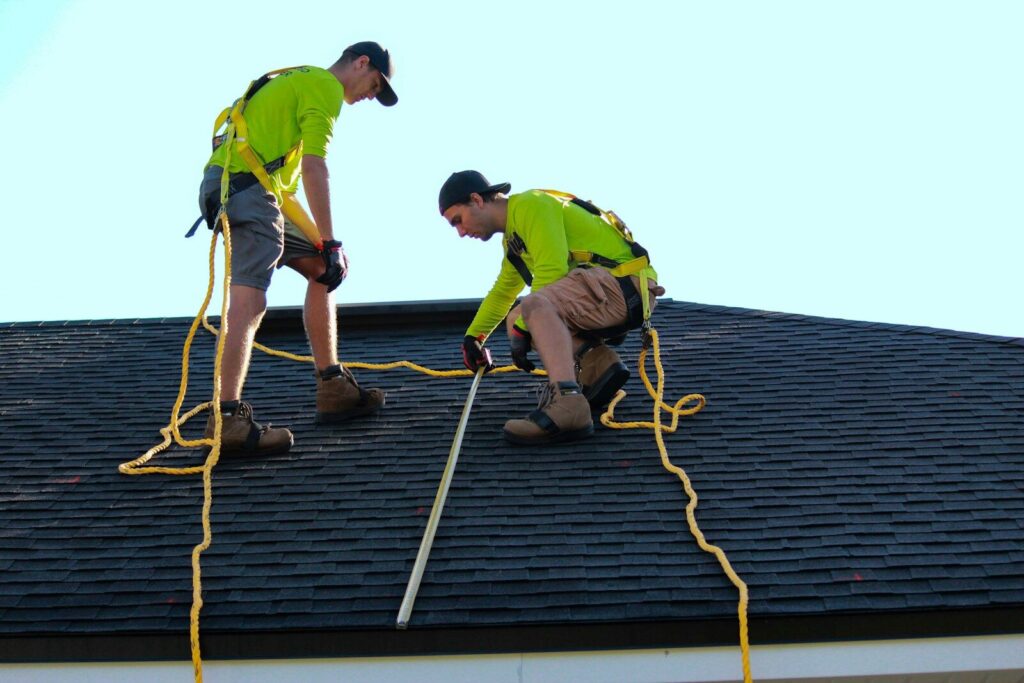
Roof Inspection Cost in Florida: Affordable Guide
Roof Inspection Cost in Florida
Roof inspections are a critical part of maintaining your home, especially in a state like Florida where the weather can be unpredictable and harsh. Understanding the cost involved in a roof inspection can help you budget for this essential service and ensure your home remains in top condition.
- Quick Answer
- Average Cost
- Cost Summary Table
- Cost Breakdown
- Cost by Material
- Cost by Home Size
- Labor vs Material Table
- Hidden Costs
- Permit Costs
- DIY vs Professional
- Timeline
- Common Mistakes
- Money Saving Tips
- Maintenance Tips
- Buyer’s Guide
- Frequently Asked Questions
- Next Steps
Quick Answer
The cost of a roof inspection in Florida ranges from $100 to $450, depending on the size and complexity of your roof. Inspections are crucial for identifying potential issues early, especially considering Florida’s frequent hurricanes and heavy rains. With the state’s volatile weather patterns, regular inspections can prevent small issues from becoming costly repairs. Moreover, having a well-documented inspection report can be invaluable when dealing with insurance claims after storm damage.
Average Cost
On average, Floridians pay around $300 for a professional roof inspection. However, prices can vary based on several factors including roof size, type, and the inspector’s experience. In coastal areas like Miami or Tampa, costs may be slightly higher due to the increased risk of storm damage. Inland areas might see more stable pricing, though factors such as the accessibility of the roof and specific inspection technologies used can still influence costs. Keeping these variables in mind is crucial for homeowners when budgeting for inspections. It’s also wise to consider any potential modifications or recent changes in local building codes that might affect inspection criteria and costs.
Cost Summary Table
| Inspection Type | Cost Range | Average Cost |
|---|---|---|
| Basic Visual Inspection | $100 – $200 | $150 |
| Comprehensive Inspection | $200 – $450 | $300 |
| Drone Inspection | $250 – $400 | $325 |
Cost Breakdown
Costs for roof inspections are typically broken down into labor, equipment, and travel expenses. Labor costs will vary depending on the inspector’s expertise and the complexity of the inspection. Equipment, such as drones or infrared cameras, can add to the costs but provide a more thorough analysis. Lastly, travel expenses may apply if the inspector is coming from a significant distance. In Florida, given the vastness of the state and the variation in climate zones, travel might also include additional costs if specialized equipment is needed for specific regional climates. Homeowners should consider these factors and engage local inspectors to potentially reduce travel costs. Additionally, building relationships with local contractors can sometimes lead to better pricing models due to familiarity and trust.
Cost by Material
The type of roofing material can influence the cost of an inspection. For example, inspecting a metal roof might cost more due to the specialized knowledge and tools required, while asphalt shingle roofs are generally less expensive to inspect. Tile roofs, common in Florida’s Mediterranean-style homes, may also require specific checks for cracks or displacement after seismic activities or heavy storms, slightly increasing inspection costs. Additionally, solar panel installations on roofs are becoming more common and may require inspectors to have specific expertise, potentially impacting the cost. If considering a change in roofing material, consult with an inspector to understand how it might affect future inspection costs and maintenance needs.
Cost by Home Size
The size of your home and roof is directly proportional to inspection costs. Larger homes take more time and effort to inspect, which can increase costs significantly. A good rule of thumb is to expect around $0.10 to $0.15 per square foot. Homes with multilevel roofs or complex architectural features can expect higher costs due to the added time and expertise required for a thorough inspection. For Florida homeowners, considering the typical size and style of homes in your area can provide a clearer picture of what to expect cost-wise. It’s beneficial to factor in future expansions or renovations, as these may alter inspection protocols and associated costs.
Labor vs Material Table
| Cost Element | Percentage of Total Cost |
|---|---|
| Labor | 60% – 70% |
| Equipment | 20% – 30% |
| Travel Expenses | 10% – 15% |
Hidden Costs
Hidden costs in roof inspections can arise from unforeseen damage that requires immediate attention, like water damage or shingle deterioration. It’s wise to budget extra for potential repair recommendations that may follow an inspection. In Florida, issues like mold and mildew growth, exacerbated by high humidity, can also present unexpected challenges discovered during inspections. Homeowners should be prepared for seasonal variations in costs, particularly after hurricane season when demand for inspections and repairs can spike. Additionally, if your roof inspection uncovers extensive damage, you may need to adjust your insurance policy or seek additional coverage, leading to further costs.
Permit Costs
In Florida, general roof inspections do not typically require permits. However, if the inspection reveals issues that necessitate major repair work, you might need a permit depending on the scope of repairs. For extensive work, such as re-roofing, contacting your local building department for permit guidelines is essential. Be aware that coastal and historical areas might have additional regulations to consider, which can affect timelines and costs. It’s always a good idea to stay informed of any changes in local building codes or regulations, as these can impact future repair or renovation plans.
DIY vs Professional
Attempting a DIY roof inspection can save money initially but often lacks the thoroughness of a professional inspection. Professionals use specialized tools and have the experience to spot problems that an untrained eye might miss. In Florida, where roof damage can quickly escalate due to weather, professional inspections are highly recommended. They offer peace of mind, ensuring that potential issues are caught early and addressed properly. DIY inspections can complement professional evaluations, particularly for regular visual checks, but should not replace them. Remember, the small cost of a professional inspection can prevent significant expenses down the line.
Timeline
A standard roof inspection in Florida typically takes between 1 and 2 hours. More detailed inspections, especially those using advanced technology like drones, may require additional time. Scheduling during off-peak times can also help reduce wait times. For coastal homes, consider scheduling post-hurricane season to assess any potential weather damage. Additionally, regular inspections should be timed with seasonal changes, such as before the onset of the rainy season, to ensure your home remains protected. Planning inspections strategically throughout the year can enhance your roof’s resilience and longevity.
Common Mistakes
One common mistake is delaying inspections until a problem is suspected. Regular inspections can prevent issues from becoming expensive repairs. Another mistake is not understanding the terms of the inspection report, which can lead to misinformed decisions about needed repairs. Ensure that your inspector explains findings clearly and provides actionable recommendations based on their assessment. In Florida, underestimating the impact of local weather patterns can also be a costly oversight. Engaging with your inspector about post-inspection care can help avoid future mistakes and maximize your roof’s lifespan.
Money Saving Tips
Schedule your inspection during slower seasons when demand is lower. Combining a roof inspection with other home inspections can also reduce costs. Additionally, discussing a maintenance agreement with an inspector can lead to discounts on future inspections or repairs. Group discounts may be available in your neighborhood, especially if you live in a community prone to weather-related roof damage. Staying informed about seasonal promotions and leveraging local contractors can also yield savings. Moreover, maintaining an ongoing relationship with a reliable contractor can often result in better pricing over time.
Maintenance Tips
Regularly cleaning your gutters and trimming nearby trees can prevent roof damage and reduce the frequency of needed inspections. Also, keeping records of past inspections can help track potential issues over time. In Florida, consider installing a gutter guard system to minimize debris buildup from frequent rainfall and wind-borne leaves. Additionally, applying a sealant to vulnerable areas of your roof can enhance durability against Florida’s intense sun and frequent storms. Routine inspections and proactive maintenance are crucial to safeguarding your investment.
Buyer’s Guide
When it comes to roof inspections in Florida, consider these options:
Standard Inspection
- Cost: $100 – $200
- Lifespan: One-time service
- Durability: N/A
- Maintenance: Minimal follow-up
- Warranty: Typically not offered
- Installation Difficulty: Easy
- Best For: Routine checks
- Biggest Advantage: Cost-effective
- Biggest Drawback: Less thorough than other methods
Drone Inspection
- Cost: $250 – $400
- Lifespan: One-time service
- Durability: N/A
- Maintenance: None
- Warranty: Not applicable
- Installation Difficulty: Moderate
- Best For: High roofs, complex structures
- Biggest Advantage: Comprehensive view
- Biggest Drawback: Higher cost
Infrared Inspection
- Cost: $300 – $450
- Lifespan: One-time service
- Durability: N/A
- Maintenance: None
- Warranty: Typically not offered
- Installation Difficulty: High
- Best For: Detecting moisture issues
- Biggest Advantage: Detects hidden problems
- Biggest Drawback: Most expensive
Best Budget Choice: Standard Inspection – Offers essential insights at a low cost.
Best Overall Value: Drone Inspection – Balances cost and thoroughness effectively.
Best Premium Choice: Infrared Inspection – Ideal for comprehensive assessments with an advanced sector approach.
Contractor’s Choice: Drone Inspection – Preferred for its ability to capture hard-to-reach areas with precision.
Frequently Asked Questions
How often should I get a roof inspection in Florida?
It’s advisable to have your roof inspected at least once a year and after any major storm events.
What are the signs that I need a roof inspection?
Look for missing shingles, leaks, sagging, or debris accumulation as signs that an inspection is necessary.
Does homeowners insurance cover roof inspections?
Generally, routine maintenance inspections are not covered by insurance, but damage assessments after storms may be.
Can I perform a roof inspection myself?
While you can perform basic visual checks, professional inspections are recommended for thorough assessments.
Are drone inspections better than traditional inspections?
Drone inspections offer extensive coverage and can access difficult areas, making them a valuable option for complex roofs.
Next Steps
Getting multiple quotes from reputable contractors is crucial in finding the right price and service quality for your roof inspection. Plan your budget accordingly and don’t hesitate to ask for detailed reports to ensure a clear understanding of your roof’s condition. Investing in regular inspections can save significant money in the long run by preventing minor issues from developing into major, costly problems. Proactive maintenance and frequent checks are the key to extending your roof’s lifespan in Florida’s challenging climate.