
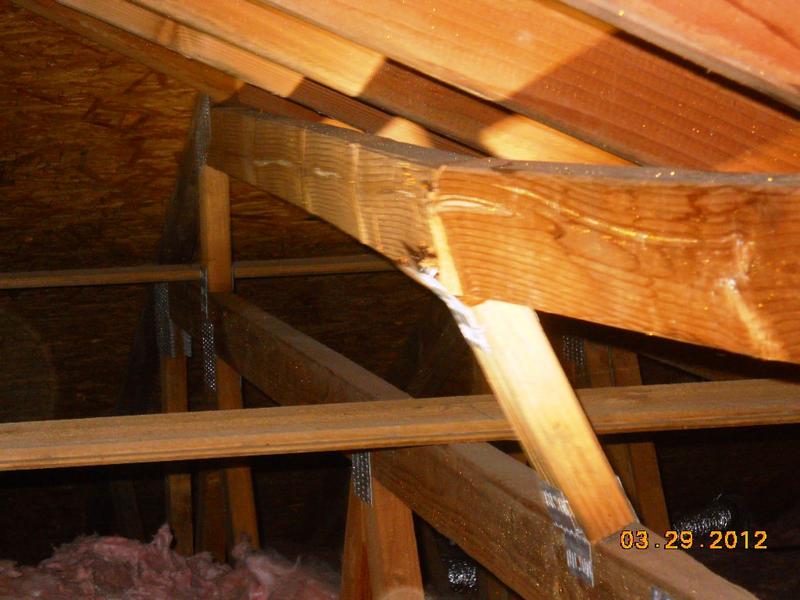
Roof Truss Repair Cost in Florida – Affordable Solutions
Roof Truss Repair Cost in Florida
Repairing roof trusses is a vital task to maintain the structural integrity of your home, especially in a state like Florida where high winds, hurricanes, and humidity can take a toll on building materials. On average, homeowners in Florida can expect to spend anywhere from $5,000 to $15,000 on roof truss repairs, depending on the scope of the damage, the materials used, and labor costs. This guide will provide an in-depth look at the costs, materials, and factors influencing roof truss repair in Florida.
- Average Cost
- Cost Summary Table
- Cost Breakdown
- Cost by Material
- Cost by Home Size
- Labor vs Material Table
- Hidden Costs
- Permit Costs
- DIY vs Professional
- Timeline
- Common Mistakes
- Money Saving Tips
- Maintenance Tips
- Buyer’s Guide
- Frequently Asked Questions
- Planning Your Budget
Average Cost
The typical cost range for roof truss repair in Florida is between $5,000 and $15,000. This range considers various factors such as the extent of the damage, the materials required, labor rates, and additional expenses such as permits and inspections. Given Florida’s climate, some materials may be more relevant, influencing the overall cost. It’s crucial to balance cost with the effectiveness of materials suitable for high-humidity environments.
Cost Summary Table
| Cost Component | Low End | High End |
|---|---|---|
| Materials | $2,000 | $8,000 |
| Labor | $2,000 | $6,000 |
| Permits & Inspections | $500 | $1,000 |
| Total | $5,000 | $15,000 |
Cost Breakdown
Understanding the cost breakdown of a roof truss repair can help you budget more accurately:
- Materials: The type and quantity of materials required can significantly affect the cost. Standard wooden trusses are generally less expensive than steel trusses but may require more maintenance in humid environments. In Florida, opting for treated wood or engineered wood can offer better moisture resistance, though at a higher initial cost.
- Labor: Skilled labor is essential for this type of repair. The labor costs can vary based on the complexity of the repair and the local labor market in Florida. Experienced contractors familiar with Florida’s weather challenges can prevent future problems.
- Permits: Florida’s building codes may require permits for roof truss repairs, and these can add to the overall cost. It’s important to adhere to state regulations to avoid fines and ensure the safety of your home.
Cost by Material
Different materials can be used for roof truss repairs, each with its own cost implications:
- Wood: Traditional and cost-effective, wood is a popular choice but less durable in Florida’s humid climate. Consider pressure-treated wood to mitigate some of these issues, though it comes at a premium.
- Steel: More expensive upfront but offers superior durability against Florida’s weather conditions. Steel trusses are also resistant to termites, a common issue in Florida.
- Engineered Wood: Offers a middle ground in terms of cost and durability, often treated to withstand moisture. This can be a smart choice for those looking to balance initial expense with long-term performance.
Cost by Home Size
The size of your home will influence the cost of roof truss repairs. Larger homes require more materials and labor, increasing costs. For instance, smaller homes may see costs on the lower end of the spectrum, while larger homes could reach or exceed the high end. The complexity of the roof design also matters; a simple gable roof will cost less to repair than a complex hip or mansard roof.
Labor vs Material Table
| Component | Percentage of Total Cost |
|---|---|
| Materials | 40% – 60% |
| Labor | 40% – 50% |
Hidden Costs
While planning your roof truss repair, consider potential hidden costs:
- Additional Damage: Discovering hidden damage once repairs begin can increase costs. Termite damage is a particular concern in Florida and may not be apparent until work is underway.
- Weather Delays: Florida’s unpredictable weather can lead to project delays, impacting labor costs. It’s wise to allocate extra time and budget in case of rain or storms.
- Material Surcharges: In times of high demand, material costs can spike unexpectedly, affecting your budget.
Permit Costs
Obtaining the necessary permits for roof truss repair in Florida can range from $500 to $1,000, depending on your municipality’s requirements. Always check with local authorities to ensure compliance with building codes. Ignoring this step could lead to penalties and potentially unsafe repairs.
DIY vs Professional
While DIY projects can save money, roof truss repairs usually require professional expertise due to their complexity and the safety risks involved. Professionals have the experience and tools necessary to handle the unique challenges of Florida’s weather and building codes. In many cases, hiring professionals can actually save money in the long run by avoiding mistakes that could lead to costly repairs.
Timeline
The timeline for a roof truss repair project can range from a few days to several weeks, depending on the severity of the damage and weather conditions. Planning ahead and hiring experienced contractors can help minimize delays. In Florida, scheduling work during the dry season might expedite the process, although contractors may be busier at this time.
Common Mistakes
- Choosing the wrong material for Florida’s climate, leading to premature failures. Consider the specific environmental stresses your roof will face.
- Underestimating the value of skilled labor to ensure safety and durability. Inexperienced labor can lead to structural failures.
- Neglecting to secure necessary permits and inspections, potentially causing legal issues.
- Not planning for weather-related delays, which can disrupt project timelines and budgets.
Money Saving Tips
- Get multiple quotes from local contractors to compare costs and services. Use these quotes to negotiate better deals.
- Consider repairing rather than replacing when possible to save on materials. Minor damages can often be fixed without full replacement.
- Schedule repairs during the off-season when contractors might offer discounts. Late winter and early spring often see reduced demand.
- Investigate whether energy-efficient materials can provide tax credits or reduce insurance premiums.
Maintenance Tips
- Regularly inspect your roof for signs of wear, especially after storms. Look for loose tiles or leaks.
- Ensure proper ventilation to reduce moisture build-up that can damage trusses. Use fans or vents to maintain airflow.
- Keep gutters clean to prevent water damage. Blocked gutters can lead to pooling water and structural damage.
- Trim nearby trees to prevent branches from damaging your roof during high winds.
Buyer’s Guide
When selecting materials for roof truss repairs, consider these options common in Florida:
Wood Trusses
- Cost: $2,000 – $4,000
- Lifespan: 15-25 years
- Durability: Moderate, susceptible to moisture
- Maintenance: Regular inspections and treatments
- Warranty: Limited, usually 5-10 years
- Installation Difficulty: Medium
- Best For: Budget-conscious repairs, smaller projects
- Biggest Advantage: Cost-effective and easy to work with
- Biggest Drawback: Vulnerable to moisture and pests
Steel Trusses
- Cost: $3,000 – $5,000
- Lifespan: 50+ years
- Durability: High, resistant to weather and pests
- Maintenance: Minimal, often just occasional inspections
- Warranty: Extensive, often 20+ years
- Installation Difficulty: High, requires special tools
- Best For: Long-term solutions, hurricane-prone areas
- Biggest Advantage: Durability and low maintenance
- Biggest Drawback: Higher upfront cost and installation complexity
Engineered Wood Trusses
- Cost: $2,500 – $4,500
- Lifespan: 30-40 years
- Durability: High, treated for moisture resistance
- Maintenance: Regular inspections, less frequent treatments
- Warranty: 10-20 years
- Installation Difficulty: Medium
- Best For: Moderate climates, balance of cost and durability
- Biggest Advantage: Combines strength of wood with moisture resistance
- Biggest Drawback: Slightly more expensive than traditional wood
Based on these comparisons, Wood Trusses are the Best Budget Choice due to their affordability. Engineered Wood Trusses offer the Best Overall Value for balancing cost with durability. For those seeking the Best Premium Choice, Steel Trusses provide unmatched durability and lifespan, making them the Contractor’s Choice for Florida’s challenging climate.
Frequently Asked Questions
How long does a roof truss repair take in Florida?
Typically, a roof truss repair can take anywhere from a few days to several weeks, depending on the extent of the damage and weather conditions.
Do I need a permit for roof truss repair in Florida?
Yes, most municipalities in Florida require permits for structural repairs, including roof trusses. It’s important to verify with your local building department.
What are the signs that my roof trusses need repair?
Look for signs such as sagging roofs, cracked ceilings, or difficulty opening windows and doors, which may indicate structural issues with trusses.
Can roof truss repairs be covered by homeowners insurance?
It depends on your policy and the cause of the damage. Typically, insurance may cover damage from covered perils like storms but not wear and tear.
What makes Florida’s climate challenging for roof trusses?
Florida’s climate is characterized by high humidity, frequent storms, and extreme weather events like hurricanes. These factors can accelerate wear and tear on roofing materials, making it imperative to choose durable materials and perform regular maintenance.
How can I ensure my roof truss repair is done correctly?
Hire a reputable contractor with experience in Florida’s specific building requirements. Make sure all necessary permits are obtained and follow up with inspections to ensure compliance with local building codes.
Planning Your Budget
Roof truss repair is a significant investment in Florida, where the climate can affect your roofing system’s longevity. It’s wise to get multiple quotes from experienced contractors to compare pricing and services. Consider the long-term benefits of investing in high-quality materials that withstand Florida’s weather challenges. Planning your budget carefully will help ensure the integrity and safety of your home for years to come. Don’t forget to account for potential hidden costs and allocate a portion of your budget for unexpected expenses, ensuring you are financially prepared for your repair project.