
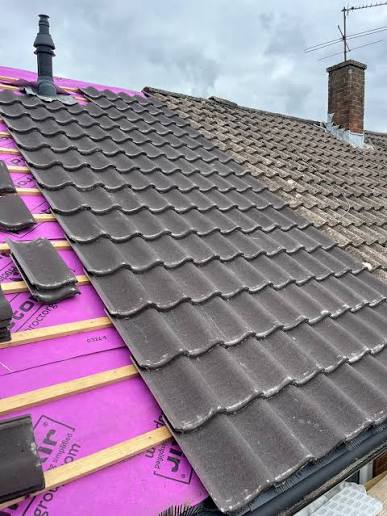
Affordable Roof Replacement Cost in Florida Explained
Roof Replacement Cost in Florida
Replacing a roof in Florida typically ranges from $7,500 to $15,500 for an average-sized home, with most homeowners spending around $11,500. Various factors such as material choice, roof size, and regional climate considerations impact the final cost.
- Average Cost
- Cost Summary Table
- Cost Breakdown
- Cost by Material
- Cost by Home Size
- Material Comparison Table
- Labor vs Material Table
- Hidden Costs
- Permit Costs
- DIY vs Professional
- Common Mistakes
- Money Saving Tips
- Buyer’s Guide
- Frequently Asked Questions
- Next Steps
Average Cost
The cost of roof replacement in Florida can significantly differ based on materials used, the complexity of the roof design, and local labor rates. On average, you can expect to pay between $400 to $550 per square (100 square feet). This means a basic 1,500 square foot roof can range from $6,000 to $8,250, not including any underlayments or additional features. It’s crucial to remember that costs in Florida can also be influenced by seasonal demand, especially around hurricane season when contractors are in high demand.
Cost Summary Table
| Item | Cost Range (USD) |
|---|---|
| Asphalt Shingles | $7,000 – $10,000 |
| Metal Roofing | $10,000 – $18,000 |
| Tile Roofing | $15,000 – $25,000 |
| Labor Costs | $3,000 – $8,000 |
Cost Breakdown
Several components contribute to the overall cost of roof replacement:
- Material Costs: This can vary greatly depending on the type of material chosen. Asphalt shingles are typically less expensive, while metal and tile options can be significantly higher. Given Florida’s climate, investing in more durable materials can save money long-term by resisting wind and moisture damage.
- Labor: Labor costs in Florida can be on the higher side due to the demand and the need for skilled roofing contractors familiar with local codes and climate challenges. With the potential for severe weather, ensuring quality installation is critical to minimize future repair costs.
- Additional Features: Costs may increase if you opt for improved ventilation, energy-efficient options, or high-end underlayment. These features can provide better insulation and energy savings, which are essential in the hot and humid Florida climate.
Cost by Material
Choosing the right material is crucial, especially considering Florida’s humid and hurricane-prone climate. Here’s a breakdown:
- Asphalt Shingles: Generally the most economical at approximately $90 to $100 per square. They offer a good balance of affordability and reliability, but homeowners should be aware of their vulnerability to high winds.
- Metal Roofing: Offers durability and energy efficiency, costing about $300 to $500 per square. It’s a popular choice in Florida due to its resistance to extreme weather and ability to reflect sunlight, reducing cooling costs.
- Tile Roofing: Prized for its aesthetics and longevity, priced around $400 to $700 per square. Tiles can last longer than many other materials, making them a worthy investment despite their higher initial cost.
Cost by Home Size
The size of your home plays a significant role in total costs. Here’s what you might expect based on typical Florida home sizes:
- 1,000 sq ft: $6,000 to $9,000
- 1,500 sq ft: $7,500 to $11,250
- 2,000 sq ft: $10,000 to $15,000
- 2,500 sq ft: $12,500 to $18,750
- 3,000 sq ft: $15,000 to $22,500
Keep in mind, the larger the roof, the more materials and labor are needed, which can affect both timeframes and costs.
Material Comparison Table
| Material | Cost per Square (USD) | Lifespan (Years) | Maintenance |
|---|---|---|---|
| Asphalt Shingles | $90 – $100 | 15 – 20 | Low |
| Metal Roofing | $300 – $500 | 40 – 70 | Low |
| Tile Roofing | $400 – $700 | 50 – 100 | Medium |
| Concrete Tile | $300 – $600 | 30 – 50 | Medium |
Labor vs Material Table
| Component | Percentage of Total Cost |
|---|---|
| Material | 60% |
| Labor | 40% |
Understanding the balance between labor and material costs can help homeowners prioritize their budget and make informed decisions when choosing materials and contractors.
Hidden Costs
When budgeting for a new roof, be aware of potential hidden expenses such as:
- Plywood Replacement: Older roofs may require new sheathing at an added cost per sheet. This can be particularly common in humid climates where wood deterioration is more prevalent.
- Permits and Inspections: Mandatory for most municipalities and can add $100 to $500 to your project. Failing to secure the right permits can lead to delays or fines.
- Disposal Fees: Costs for removing and disposing of the old roofing can amount to several hundred dollars. This is a necessary expense to ensure environmentally responsible disposal.
- Structural Repairs: If underlying issues are found during roof replacement, additional repair costs may arise. Addressing these early can prevent more significant problems down the line.
Permit Costs
Florida requires permits for roof replacements to ensure compliance with building codes, particularly for hurricane protection standards. Costs typically range from $150 to $500, depending on your locality and project complexity. Check with your local building department for specific requirements. It’s crucial to adhere to these regulations to ensure your new roof is safe and compliant with state laws.
DIY vs Professional
While DIY roof replacement might seem like a cost-saving endeavor, Florida’s climate and building codes make professional installation highly advisable. Professional contractors offer expertise, safety oversight, and warranty coverage that DIY projects lack. Attempting a DIY project can result in costly mistakes and potential non-compliance with local regulations. In Florida, where weather conditions can change rapidly, having a professionally installed roof ensures durability and effectiveness in withstanding the elements.
Common Mistakes
Here are some pitfalls to avoid when replacing your roof:
- Ignoring Local Climate: Choosing materials not suited for the humid and windy conditions of Florida can shorten the roof’s lifespan. Ensure your selection can withstand local environmental stressors.
- Skipping Inspections: Neglecting to have the roof inspected after installation can lead to overlooked issues. Regular maintenance checks can identify minor problems before they escalate.
- Choosing the Lowest Bid: Sometimes, the cheapest option can lead to poor workmanship or low-quality materials. It’s essential to balance cost with quality when selecting a contractor.
- Neglecting Ventilation: Proper ventilation is crucial for maintaining roof health and energy efficiency. Overlooking this aspect can lead to increased energy costs and reduced roof lifespan.
Money Saving Tips
Consider these tips to keep your roofing project within budget:
- Get Multiple Quotes: Comparing estimates from different contractors can help you find the best value. Ensure each quote is detailed and covers all aspects of the project.
- Choose Off-Season Installation: Scheduling your project during slower months can lead to discounts. Contractors are often more flexible and pricing is competitive outside peak seasons.
- Evaluate Material Options: Weighing initial costs against longevity might reveal a more economical choice in the long run. Consider the total cost of ownership, not just the upfront price.
- Maintain Existing Roof: Regular maintenance and timely repairs can extend your roof’s life and delay the need for replacement.
Buyer’s Guide
Asphalt Shingles
Cost: $90 – $100 per square. Lifespan: 15-20 years. Durability: Moderate. Maintenance: Low. Warranty: Typically 20 years. Installation Difficulty: Easy. Best For: Budget-conscious homeowners. Biggest Advantage: Cost-effective. Biggest Drawback: Shorter lifespan.
Metal Roofing
Cost: $300 – $500 per square. Lifespan: 40-70 years. Durability: High. Maintenance: Low. Warranty: Up to 50 years. Installation Difficulty: Moderate. Best For: Homes in hurricane-prone areas. Biggest Advantage: Durability. Biggest Drawback: Higher upfront cost.
Tile Roofing
Cost: $400 – $700 per square. Lifespan: 50-100 years. Durability: Very high. Maintenance: Medium. Warranty: 50+ years. Installation Difficulty: Hard. Best For: Long-term investment. Biggest Advantage: Longevity and aesthetics. Biggest Drawback: Fragility and weight.
Best Budget Choice: Asphalt Shingles for their affordability. Best Overall Value: Metal Roofing due to long lifespan and reduced maintenance. Best Premium Choice: Tile Roofing offers unmatched longevity. Contractor’s Choice: Metal Roofing for its balance of durability, longevity, and cost.
Frequently Asked Questions
How often should a roof be replaced in Florida?
Roof replacements in Florida typically occur every 15-20 years, depending largely on material and weather conditions. Regular inspections can help extend this lifespan by addressing small issues early.
Are there energy-efficient roofing options suitable for Florida?
Yes, metal and tile roofing are both energy-efficient choices, reflecting more sunlight and reducing cooling costs. Cool roof coatings and reflective materials are also popular in this region for their energy-saving benefits.
What should I consider regarding hurricane safety for a new roof?
Opt for materials and installation methods that meet Miami-Dade wind standards, which are stringent and designed for hurricane resistance. Ensuring your roof complies with these standards can offer peace of mind during hurricane season.
Do I need a permit for roof replacement in Florida?
Yes, a permit is required to ensure that the new roof adheres to state building codes, especially those concerning hurricane resistance. This process can help protect your investment and ensure safety standards are met.
What is the warranty coverage for new roofs?
Warranties vary by material and manufacturer but typically range from 20 to 50 years. Understanding the terms of the warranty can help you choose the best option for your needs and budget.
Next Steps
Replacing a roof is a significant investment. To ensure you get the best value, obtain multiple quotes from local contractors who understand Florida’s specific requirements and climate challenges. Planning your budget carefully with these insights can lead to a successful roof replacement project that stands the test of time. Additionally, consider future maintenance needs and potential upgrades to increase your home’s value and efficiency.