
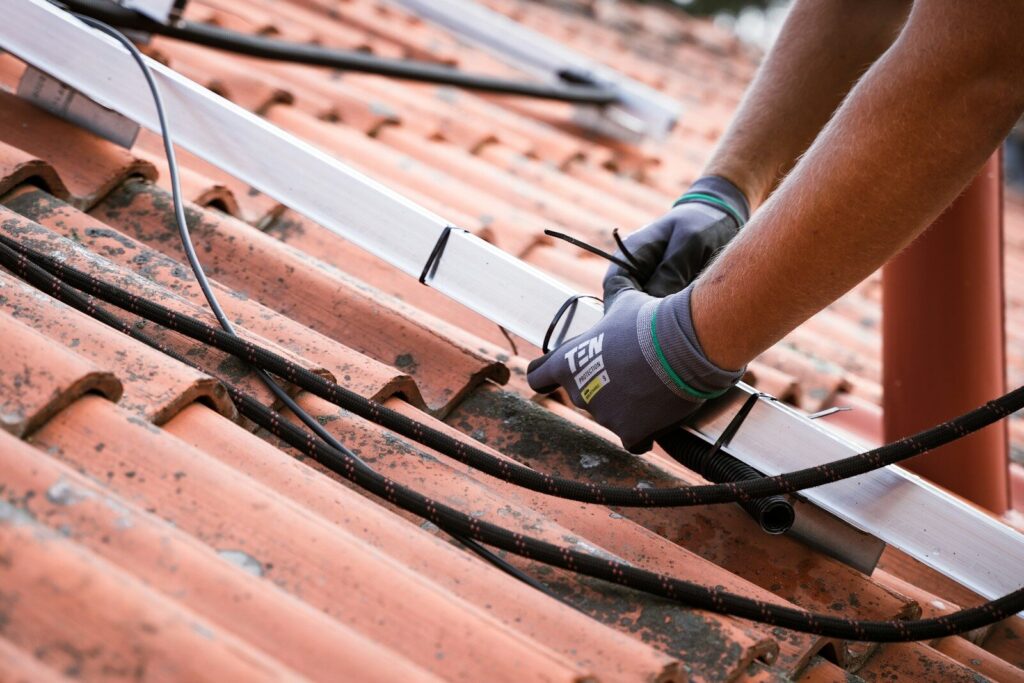
Roof Repair Cost in Florida – Affordable Estimates
Roof Repair Cost in Florida
In Florida, roof repair costs can range significantly depending on the type of damage, materials needed, and roof size. On average, homeowners might expect to pay between $300 and $1,500 for minor repairs, while major repairs can easily reach $5,000 or more. Factors such as Florida’s unique climate, frequent storms, and specific building codes play a critical role in determining the final price. It’s also important to consider that roofing materials in Florida often require special UV and moisture-resistant properties, which can influence costs.
- Average Cost
- National Average vs State Average
- Cost Summary Table
- Cost Breakdown
- Cost by Material
- Hidden Costs
- Permit Costs
- DIY vs Professional
- Timeline
- Common Mistakes
- Money Saving Tips
- Maintenance Tips
- Buyer’s Guide
- Frequently Asked Questions
- Next Steps
Average Cost
The average cost of roof repair in Florida can vary widely. For small repairs, such as fixing a few missing shingles or sealing a minor leak, costs typically range from $300 to $1,500. More extensive repairs, including significant structural damage or major leak repairs, might escalate anywhere from $2,500 to $7,000 or more. The type of roofing material, location, and the complexity of the repair significantly impact these costs. Coastal areas, where salt exposure can accelerate wear, often see higher repair costs. It’s also crucial to factor in the peak and off-peak seasons, which can affect contractor availability and pricing.
National Average vs State Average
Nationally, roof repair costs hover around $950. However, in Florida, due to its exposure to hurricanes, high humidity, and intense UV exposure, repairs often require materials and methods that withstand these elements, pushing the state average higher, often around $1,200 to $1,500. Additionally, coastal areas may see even higher averages due to stricter building codes and the necessity for more resilient materials that can handle salt corrosion. This unique climate also means frequent inspections are advisable to catch potential issues early.
Cost Summary Table
| Type of Repair | National Average Cost | Florida Average Cost |
|---|---|---|
| Minor Leak Repair | $300 – $750 | $400 – $900 |
| Shingle Replacement | $500 – $1,000 | $600 – $1,200 |
| Major Structural Repair | $2,000 – $5,000 | $2,500 – $7,000 |
| Storm Damage Repair | $1,000 – $3,000 | $1,500 – $4,500 |
Cost Breakdown
The cost of a roof repair project is broken down into materials, labor, and permits. Materials like shingles, underlayment, and sealants can quickly add up, especially if a high-quality brand or special hurricane-resistant materials are required. Labor costs in Florida are influenced by the demand for contractors, especially post-hurricane season when roof damage is prevalent. Finally, depending on the repair size, permits and inspection fees might also be applicable. Prices can also increase if the roof is difficult to access, requiring special equipment or additional labor. It’s worth noting that labor costs can vary widely in different parts of Florida, with urban centers typically having higher rates.
Cost by Material
The material you choose plays a pivotal role in the overall cost of roof repairs. Asphalt shingles are the most economical option, with repairs costing between $300 and $1,000. Metal roofs, known for their durability, might cost between $1,000 and $2,500 for repair. Tile roofs, popular in Florida for their aesthetic and durability against the elements, can be more expensive to repair, ranging from $1,500 to $4,000. Additionally, flat roofs, common in Florida’s urban areas, can range from $500 to $2,000 depending on the membrane or coating used. Newer materials, such as synthetic tiles or solar-integrated options, are also entering the market, providing alternatives that may offer long-term savings on energy costs.
Hidden Costs
While planning for a roof repair, be prepared for hidden costs such as mold removal, additional structural work if water damage is severe, and potential higher costs for special fasteners or sealants in hurricane-prone areas. These costs can add an extra 10-20% to your initial estimate. Also, unexpected issues such as pest damage or discovering that the existing roofing material is obsolete can lead to increased costs. In some cases, repairs might uncover deeper issues requiring a larger overhaul than initially anticipated.
Permit Costs
In Florida, roof repairs often require permits, especially if the work involves structural changes or roof replacements. Permit costs can vary by county but typically range from $150 to $500. Always check with your local building department to understand specific requirements and fees. In some historic districts, additional approvals may be necessary, which can also increase costs. These permits ensure that work complies with Florida’s stringent building codes, particularly important in hurricane-prone areas.
DIY vs Professional
DIY roof repairs might seem cost-effective initially, but they carry significant risks, especially in Florida’s challenging weather conditions. While a DIY approach may save on labor costs, it might lead to improper repairs, voided warranties, and safety hazards. Hiring a professional ensures compliance with building codes, access to quality materials, and the expertise to handle unexpected issues. Furthermore, professional repairs often come with a warranty, providing peace of mind that a DIY fix cannot guarantee. It’s also worth considering that professionals have the experience to work safely at heights, reducing the risk of accidents.
Timeline
Roof repairs in Florida can vary in duration based on the scope. Minor repairs may take a day or less, while extensive repairs could extend over several days, especially if poor weather conditions cause delays. It’s advisable to schedule repairs during dry seasons to minimize weather-related interruptions. During the hurricane season, repair timelines can be extended due to contractor availability and weather unpredictability. Planning ahead and booking early can help avoid the seasonal rush and secure a more favorable timeline.
Common Mistakes
One common mistake is delaying repairs, which can lead to more severe damage and higher costs. Another is opting for the cheapest quote without verifying the contractor’s credentials, which might result in subpar workmanship. Additionally, neglecting to secure proper permits can lead to fines and issues with insurance claims. It’s also a mistake to ignore routine maintenance, which can lead to premature roof failure. Homeowners should also be wary of storm chasers—contractors who appear after storms offering quick but often inferior repair services.
Money Saving Tips
To save money on roof repairs in Florida, schedule repairs during off-peak times when contractors may offer lower rates. Regular roof maintenance can prevent minor issues from becoming major repairs. Additionally, consider purchasing materials in bulk or during sales to reduce material costs. Obtaining multiple quotes and negotiating with contractors can also help secure better pricing. Taking advantage of energy-efficient roofing options can also yield long-term savings on utility bills.
Maintenance Tips
Regular maintenance is key to prolonging the life of your roof. Clean gutters and downspouts to prevent water buildup, inspect for missing shingles or tiles especially after storms, and trim overhanging branches to reduce debris. An annual professional inspection can catch early signs of damage, saving you from costly repairs. In Florida, keeping a keen eye on potential algae or moss growth is essential due to high humidity levels. Additionally, applying roof coatings can enhance protection against the sun’s UV rays.
Buyer’s Guide
Choosing the right material or brand for roof repairs is crucial in Florida’s harsh climate. Here’s a comparison of three common choices:
| Material | Cost | Lifespan | Durability | Maintenance | Installation Difficulty | Best For | Biggest Advantage | Biggest Drawback |
|---|---|---|---|---|---|---|---|---|
| Asphalt Shingles | $300 – $1,000 | 15-20 years | Moderate | Low | Easy | Budget-conscious repairs | Cost-effective | Less durable in storms |
| Metal Roofing | $1,000 – $2,500 | 40-70 years | High | Moderate | Moderate | Durability | Longevity | Initial cost |
| Tile Roofing | $1,500 – $4,000 | 50+ years | Very High | Low | High | Aesthetic appeal | Excellent durability | Weight and cost |
| Flat Roofing | $500 – $2,000 | 10-15 years | Moderate | Moderate | Moderate | Urban areas | Low profile | Short lifespan |
Best Budget Choice: Asphalt Shingles for their affordability and ease of installation.
Best Overall Value: Metal Roofing offers a good balance of durability, lifespan, and moderate maintenance.
Best Premium Choice: Tile Roofing, particularly for its durability and aesthetic charm, making it ideal for long-term investment.
Contractor’s Choice: Metal Roofing is often preferred for its resilience against Florida’s weather conditions and lower long-term maintenance.
Frequently Asked Questions
- Do I need a permit for roof repair in Florida? Yes, most roof repairs require a permit, especially if they involve structural changes or a full replacement.
- How often should I have my roof inspected in Florida? At least once a year, and after major storms or hurricanes.
- Can minor roof repairs wait until the next season? It’s risky to delay repairs, as small issues can escalate into major problems, especially with Florida’s unpredictable weather.
- What is the most durable roofing material for Florida homes? Metal and tile roofing are considered very durable, withstanding harsh weather conditions better than other materials.
- How can I tell if my roof needs repair? Look for signs like missing shingles, leaks inside the house, or visible sagging areas. Pay special attention after severe weather events.
- What’s the best season for roof repairs in Florida? Late winter to early spring is generally best, avoiding the hurricane season’s high-risk months.
Next Steps
Considering a roof repair? It’s wise to gather multiple quotes from reputable contractors to ensure you get the best service at a fair price. Take into account the scope of work, materials, and contractor reputation before making a final decision. Planning your budget with these insights will help ensure a smooth repair process. Additionally, discussing potential material upgrades with your contractor can provide opportunities for increased value and durability. Be sure to check their references and verify their insurance and licensing to protect your investment.