
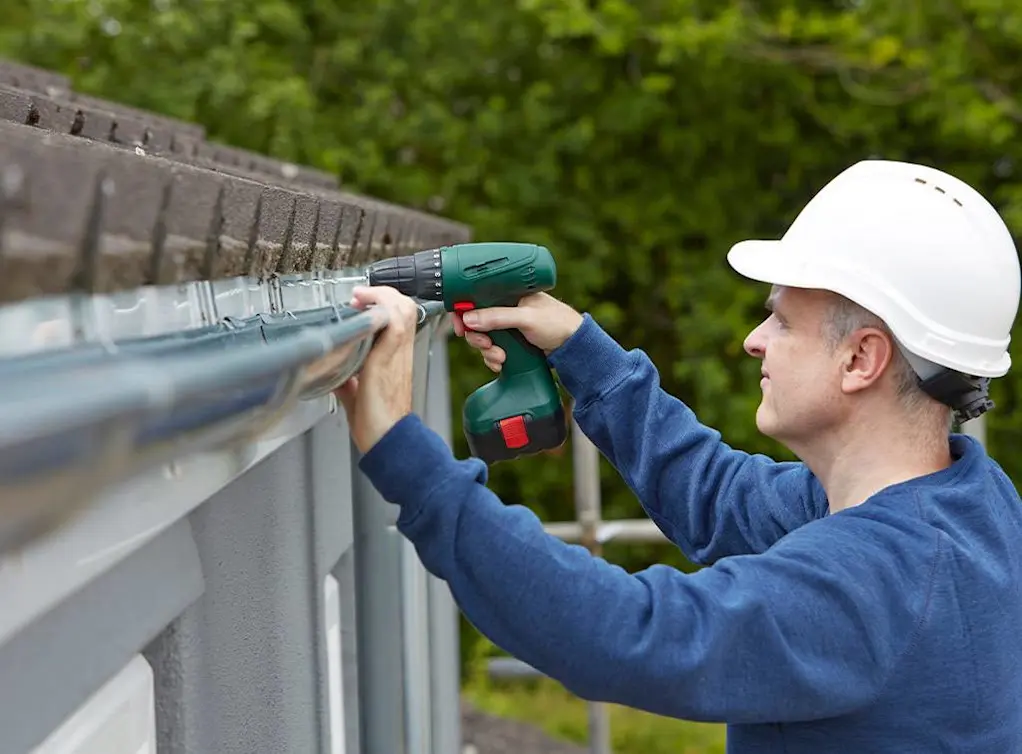
Gutter Installation Cost in Florida: Your Guide
Gutter Installation Cost in Florida
Gutter installation in Florida is an essential investment to protect your home from water damage, especially given the state’s heavy rainfall and hurricane-prone climate. Understanding the cost can help you budget effectively and choose the right materials and professionals for the job.
- Quick Answer
- Average Cost
- Cost Summary Table
- Cost Breakdown
- Cost by Material
- Cost by Home Size
- Material Comparison Table
- Labor vs Material Table
- Hidden Costs
- Permit Costs
- DIY vs Professional
- Timeline
- Common Mistakes
- Money Saving Tips
- Maintenance Tips
- Buyer’s Guide
- Frequently Asked Questions
- What to Do Next
Quick Answer
In Florida, gutter installation costs range from $1,200 to $3,600 for an average-sized home. This price range is dependent on materials, labor costs, and the complexity of the installation. Choosing the right materials is critical due to Florida’s unique weather conditions, where durability against heavy rains and high winds is a priority.
Average Cost
The average cost for gutter installation in Florida is approximately $2,400. This average takes into account both low-end materials like vinyl and high-end options such as copper, as well as the labor market which can vary significantly depending on your location within the state. Coastal areas might see higher costs due to the increased demand for corrosion-resistant materials and expert labor. Inland areas, while occasionally less expensive, require careful consideration of installation practices to handle heavy rains.
Cost Summary Table
| Type | Cost Range |
|---|---|
| Vinyl | $1,200 – $2,000 |
| Aluminum | $1,500 – $2,500 |
| Copper | $3,000 – $4,500 |
Cost Breakdown
The total cost of gutter installation includes materials, labor, and potential additional expenses such as permits or gutter guards. Materials can account for 40-50% of the total cost, while labor generally makes up the remaining 50-60%. In Florida, labor costs can be influenced by seasonal demand, with higher prices during the rainy season when contractors are busier. Additionally, the complexity of the installation, such as multi-level homes or those with unique architectural designs, can increase labor time and costs. If you’re living in an area prone to hurricanes, consider investing in extra reinforcements or specialized brackets to ensure the gutters remain secure during storms.
Cost by Material
Different materials offer various aesthetics, durability, and costs:
- Vinyl: Economical and easy to install, but less durable in extreme weather. It’s a good choice for temporary solutions or when budget constraints are a primary concern, though it may not withstand Florida’s intense sun and rain for extended periods. Keep in mind that UV exposure can lead to brittleness and eventual cracking over time.
- Aluminum: A popular choice for its balance between cost and durability. It’s light, rust-resistant, and performs well in Florida’s humid climate, making it ideal for long-term installations across diverse Floridian environments. Opt for thicker gauge aluminum for added durability, especially in areas susceptible to wind damage.
- Copper: The most expensive option, offering unmatched durability and curb appeal. Its natural patina adds a classic look, but it requires a significant upfront investment. Copper gutters can withstand the harshest storms, a notable advantage in hurricane-prone areas. However, they require professional installation due to their weight and complexity.
Cost by Home Size
The size of your home significantly affects gutter installation costs. A larger home will require more material and time to install, thus increasing expenses. For a 2,000 square foot home, expect to spend around $2,400, while a 3,500 square foot home could cost upwards of $4,500. Homes with complex rooflines, such as multiple peaks and valleys, may incur additional costs due to increased labor complexity. Consider that bungalows or ranch-style homes, common in Florida, may require less installation time but could need additional downspouts to handle rain effectively. If your property is surrounded by trees, factor in the potential for increased maintenance needs and possibly installing gutter guards to prevent frequent clogs.
Material Comparison Table
| Material | Cost | Durability | Maintenance |
|---|---|---|---|
| Vinyl | $1,200 – $2,000 | Low | High |
| Aluminum | $1,500 – $2,500 | Medium | Medium |
| Copper | $3,000 – $4,500 | High | Low |
Labor vs Material Table
| Component | Percentage of Total Cost |
|---|---|
| Materials | 40-50% |
| Labor | 50-60% |
Hidden Costs
Watch out for hidden costs such as removing old gutters, which can add $200 to $500 to your overall expenses. Gutter guards can also increase costs but offer long-term maintenance savings by keeping debris out. Additionally, homes with unique architectural features may need custom-fabricated gutters, which can increase both material and labor costs significantly. In Florida, you should also consider the impact of extreme weather conditions, which might necessitate additional supports or reinforcements to ensure your gutter system is storm-ready. Don’t forget the potential need for fascia board repair or replacement, particularly for older homes, as damaged boards can compromise the stability of the new gutter system.
Permit Costs
In Florida, permits may be required for gutter installations, particularly for extensive modifications or in areas with strict building codes. Permit costs can range from $50 to $200, depending on local regulations. It’s advisable to check with your local building department to understand specific requirements and avoid penalties. Coastal regions, in particular, may have stricter codes due to environmental concerns and the need for materials that can withstand saltwater exposure. It’s always a good idea to involve a contractor familiar with local regulations, as they can streamline the permit acquisition process and ensure compliance with all necessary standards.
DIY vs Professional
While DIY installation might save you labor costs, it can lead to mistakes if you’re not experienced. Professional installation ensures proper drainage and alignment, which is critical in Florida’s wet climate. Hiring a professional usually costs more initially but can prevent costly repairs down the line. Pros have the tools and know-how to tackle any unforeseen issues, ensuring your gutters perform optimally. In high-risk areas for hurricanes, professional installation guarantees that your gutters are secure and compliant with local building codes. Consider that professionals can also offer warranties on their work, providing peace of mind that DIY cannot match.
Timeline
Gutter installation typically takes 1 to 2 days for an average-sized home. This timeline can extend if you’re using premium materials like copper or if unforeseen issues, such as wood rot, are discovered. Planning your installation during the dry season can also help avoid weather-related delays. Contractors often recommend scheduling installations in the winter months when rainfall is less frequent, minimizing the risk of interruptions. It’s important to communicate with your contractor about potential timeline extensions caused by complex roof structures or adverse weather forecasts.
Common Mistakes
Common mistakes include choosing the wrong materials for coastal areas, improperly sloped gutters, and inadequate downspouts. These errors can lead to water damage or reduced gutter lifespan. In Florida, it’s crucial to ensure your gutters are securely fastened to withstand hurricane-force winds. Moreover, failing to account for the expansive growth of foliage common in Florida can lead to underestimated maintenance needs and eventual gutter blockages. Always assess the quality of installation, as poorly aligned gutters can cause water to pool and overflow, defeating the very purpose of having them.
Money Saving Tips
Consider using aluminum for a balance between cost and durability, and avoid peak installation seasons to secure better labor rates. Regular maintenance can also extend the life of your gutters, reducing long-term costs. Shopping for materials during sales or opting for package deals that include installation can also yield savings. In Florida, taking advantage of off-season discounts during the cooler months can help reduce costs when contractors are less busy. Investing in quality materials from the beginning may seem more expensive but can save money over time by reducing the need for frequent repairs or replacements.
Maintenance Tips
Clean your gutters at least twice a year, more often if your home is surrounded by trees. Check for leaks or sagging and ensure downspouts are clear to prevent water backup. In Florida, where debris can accumulate quickly, consider installing gutter guards to minimize cleaning frequency. Scheduling maintenance after the hurricane season can help identify any damage early and ensure your system is ready for the following year’s storms. Using a professional service for an annual inspection can catch potential issues before they become significant problems, especially after severe weather events.
Buyer’s Guide
Here’s a comparison of some common gutter materials:
Vinyl
- Cost: $1,200 – $2,000
- Lifespan: 10-15 years
- Durability: Low
- Maintenance: High
- Warranty: Limited
- Installation Difficulty: Easy
- Best For: Budget-conscious projects
- Biggest Advantage: Cost-effective
- Biggest Drawback: Prone to cracking
Aluminum
- Cost: $1,500 – $2,500
- Lifespan: 20-30 years
- Durability: Medium
- Maintenance: Medium
- Warranty: 20 years
- Installation Difficulty: Moderate
- Best For: Standard residential homes
- Biggest Advantage: Balance between cost and durability
- Biggest Drawback: Can dent easily
Copper
- Cost: $3,000 – $4,500
- Lifespan: 50+ years
- Durability: High
- Maintenance: Low
- Warranty: Lifetime
- Installation Difficulty: Difficult
- Best For: High-end properties
- Biggest Advantage: Long lifespan and aesthetic appeal
- Biggest Drawback: High cost
Recommendations
- Best Budget Choice: Vinyl, for its affordability and ease of installation.
- Best Overall Value: Aluminum, providing a good balance of cost, durability, and maintenance.
- Best Premium Choice: Copper, ideal for those seeking longevity and elegance.
- Contractor’s Choice: Aluminum, due to its versatility and suitability for Florida’s climate.
Frequently Asked Questions
- How often should I clean my gutters in Florida? At least twice a year, more if you have significant tree coverage. Keeping gutters clear of debris is critical to prevent water damage and ensure efficient water flow.
- Can I install gutters myself? It’s possible but not recommended unless you have experience, as improper installation can lead to costly issues such as leaks or misalignment that can affect your home’s foundation.
- Are seamless gutters worth the extra cost? Yes, they reduce leaks and maintenance needs over time. Seamless gutters are custom-cut and have fewer joints, minimizing the potential for leaks.
- What is the best material for gutter installation in coastal areas? Aluminum or stainless steel are recommended for their rust resistance, which is crucial in salty, humid environments to prevent corrosion.
- Do gutters require a permit in Florida? It depends on local regulations, so check with your city or county office. Some areas have specific requirements due to environmental impacts or structural considerations.
- What are seamless gutters? Seamless gutters are made from a single piece of material and are custom-fitted to your home, reducing the likelihood of leaks and improving overall efficiency and longevity.
What to Do Next
Once you’ve decided on the type of gutters that meet your needs and budget, it’s time to gather quotes from at least three contractors. This ensures competitive pricing and helps you find a reliable professional. Planning your budget and timeline ahead of the wet season can help avoid rushed decisions. Consider all aspects, from material choice to contractor experience, to ensure your gutter system is both effective and long-lasting. It’s also wise to ask for references or check online reviews to verify the quality of work from prospective contractors.