
Gutter Replacement Cost Insights in Florida – 2023 Guide
Gutter Replacement Cost in Florida
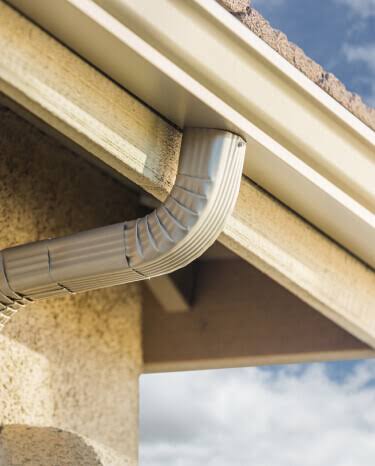
Replacing gutters is a key home improvement task, especially in a state like Florida, where heavy rains are common. The cost of gutter replacement in Florida varies, influenced by materials, labor, and specific regional factors. On average, Floridians can expect to pay between $1,200 and $2,400 for a complete gutter system replacement on a standard home. This range can shift based on the size of your home, the materials chosen, and local labor costs.
- National Average vs State Average
- Cost Summary Table
- Cost Breakdown
- Cost by Material
- Cost by Home Size
- Material Comparison Table
- Labor vs Material Table
- Hidden Costs
- Permit Costs
- Inspection Costs
- DIY vs Professional
- Timeline
- Common Mistakes
- Money Saving Tips
- Buyer’s Guide
- Frequently Asked Questions
- Next Steps
National Average vs State Average
Nationally, the average cost for gutter replacement ranges from $1,200 to $3,000. In Florida, the costs are slightly lower due to less fluctuation in seasonal labor demand, often between $1,200 and $2,400. This difference is largely due to Florida’s year-round warm climate, which allows for a more consistent work schedule, keeping labor costs stable. Florida’s lack of harsh winter weather reduces the likelihood of seasonal price surges that are common in northern states.
Cost Summary Table
| Cost Factor | National Average | Florida Average |
|---|---|---|
| Materials | $600 – $1,500 | $500 – $1,200 |
| Labor | $600 – $1,500 | $700 – $1,200 |
| Total | $1,200 – $3,000 | $1,200 – $2,400 |
Cost Breakdown
The cost of gutter replacement is generally divided between materials and labor. Materials include the gutters themselves, downspouts, hangers, and any additional components required for the specific installation. Labor costs encompass the removal of the old system, installation of the new system, and any modifications needed to fit the gutters to your home. In Florida, labor may also include specialized techniques to ensure gutters can withstand the frequent heavy rains and occasional hurricanes, which might necessitate reinforced attachment methods.
For example, contractors often advise using stainless steel fasteners in coastal areas to prevent corrosion from salty air. Additionally, reinforcement brackets can be used in hurricane-prone regions to keep gutters secured during high winds. These specialty installations might add slightly to the cost but are essential for the longevity and performance of the gutter system.
Cost by Material
Material choice significantly impacts the overall cost. Common materials for gutters include vinyl, aluminum, and steel. Vinyl gutters are the least expensive option, though they may not withstand the intense Florida sun as well as other materials. Aluminum balances cost and durability, while steel offers maximum strength at a higher price point. In Florida, the reflective properties of lighter-colored aluminum gutters can help manage heat, further extending their lifespan.
Another option gaining popularity is copper, which although pricey, offers unmatched durability and a distinctive aesthetic that can add significant curb appeal. Copper gutters develop a unique patina over time, which can be particularly appealing in historic or upscale neighborhoods found in Florida cities like St. Augustine or Coral Gables.
Cost by Home Size
The size of your home directly affects the total cost of gutter replacement. A small single-story home may require less than 100 feet of guttering, while a larger two-story home can need over 250 feet, with corresponding increases in both material and labor costs. A sprawling ranch-style home may have more linear footage than a compact two-story house, even if the two have similar square footage.
In Florida, many homes are designed with sprawling layouts to maximize ventilation and views, which can increase gutter installation costs. Homeowners should measure their roofline accurately or consult with a contractor to get a precise estimate, as overlooking these factors can lead to under-budgeting.
Material Comparison Table
| Material | Cost per Foot | Durability | Maintenance | Best For |
|---|---|---|---|---|
| Vinyl | $3 – $5 | Low | Minimal | Budget-conscious |
| Aluminum | $5 – $8 | Moderate | Regular | Versatility |
| Steel | $8 – $12 | High | Regular | Durability |
| Copper | $15 – $25 | Very High | Minimal | Luxury and Longevity |
Labor vs Material Table
| Component | Percentage of Total Cost | Description |
|---|---|---|
| Materials | 45% – 60% | Includes gutters, downspouts, and accessories |
| Labor | 40% – 55% | Installation and removal of old gutters |
Hidden Costs
Additional costs can arise from unforeseen complications such as fascia damage, disposal of old gutters, or the need for custom solutions to fit non-standard rooflines. Homeowners should budget an extra 10-15% to cover these potential expenses. In Florida, gutters may also require additional leaf guards or screens to prevent clogging from debris, especially in areas with lush landscaping common around the state.
For homes near the coast, salt deposits can accelerate wear on gutters, potentially increasing both maintenance and replacement frequency. Consider investing in rust-inhibitor treatments or coatings to prolong the gutters’ lifespan in these regions, which is a wise preventative expense.
Permit Costs
In Florida, gutter replacement often does not require a permit, especially if it’s a direct swap without major structural changes. However, always check with local authorities to ensure compliance with building codes. Some municipalities might have specific guidelines to ensure that water runoff does not adversely affect neighboring properties, particularly in densely populated areas or developments with shared drainage systems.
Inspection Costs
Post-installation inspections may be required, particularly if your home is in an HOA. These inspections generally cost between $50 and $150, depending on the municipality and specific requirements. It’s important to factor in these potential costs when budgeting for your project. Additionally, some Florida regions prone to frequent storms might have stricter inspection protocols to ensure new installations can withstand severe weather.
DIY vs Professional
While DIY gutter replacement can save on labor costs, it requires skill and safety precautions, particularly on multi-story homes. Professional installation ensures proper alignment and support, reducing future maintenance issues. Given Florida’s unique weather conditions, using a professional can ensure that your gutters are appropriately installed to handle heavy rainfall and potential hurricane conditions. Contractors may also have access to higher-quality materials or specialized equipment that can enhance the installation’s durability and lifespan.
Timeline
Gutter replacement typically takes 1 to 3 days, depending on the home’s size and the complexity of the installation. Scheduling during Florida’s dry season can prevent delays caused by rain. In regions like the Panhandle, where weather can be unpredictable, it’s advisable to plan installations during months with historically lower rainfall, such as spring or late fall.
Common Mistakes
Common errors include incorrect pitch, insufficient downspouts, and poor attachment to the fascia. These mistakes can lead to water pooling and damage. Hiring experienced contractors often avoids these pitfalls. In Florida, where intense storms are frequent, ensuring gutters are properly pitched to facilitate rapid water drainage is crucial to prevent overflow and potential water damage to the home’s foundation.
Money Saving Tips
- Consider off-season installation for potential discounts.
- Bundle gutter replacement with other exterior work.
- Choose aluminum for a balance of cost and performance.
- Regular maintenance can extend the life of your gutters, reducing long-term costs.
- Shop around for quality materials that offer manufacturer warranties, providing peace of mind and potential savings on future repairs.
Buyer’s Guide
Choosing the right gutter system involves evaluating cost, durability, and maintenance. Below, we compare three common options in Florida: Vinyl, Aluminum, and Steel.
| Aspect | Vinyl | Aluminum | Steel |
|---|---|---|---|
| Cost | $3 – $5/ft | $5 – $8/ft | $8 – $12/ft |
| Lifespan | 10 – 15 years | 20 – 30 years | 30+ years |
| Durability | Low | Moderate | High |
| Maintenance | Low | Moderate | Moderate |
| Warranty | 5 years | 10 – 20 years | 20 years |
| Installation Difficulty | Easy | Moderate | Hard |
| Best For | Low cost | All-around performance | Durability needs |
| Biggest Advantage | Affordability | Balance of cost and durability | Strength |
| Biggest Drawback | Low durability | May oxidize in salty air | Expensive |
Best Budget Choice: Vinyl, due to its low upfront cost.
Best Overall Value: Aluminum, for its longevity and moderate cost.
Best Premium Choice: Steel, given its unmatched durability and strength.
Contractor’s Choice: Aluminum, as it offers the best balance in Florida’s coastal climate, resisting both corrosion and heat deformation better than vinyl.
Frequently Asked Questions
- How often should gutters be replaced in Florida?
Typically every 20-30 years, depending on material and maintenance. Regular inspections can help identify issues early, particularly after severe weather. - Do gutters increase home value?
Yes, especially in regions with heavy rainfall, by protecting the foundation and landscaping. Quality gutters can also enhance curb appeal, which is beneficial if you’re considering selling your home. - Are seamless gutters better than sectional?
Seamless gutters offer fewer leak points and are ideal for uniform appearance and functionality. In Florida’s heavy rain, seamless gutters can significantly reduce the risk of leaks. - Can I replace just a section of my gutters?
Yes, but matching the color and style might be challenging, and it may not be as cost-effective. It can also disrupt the flow and efficiency of the system if not done carefully. - What is the most durable gutter material for coastal areas?
Aluminum and steel are recommended for their resistance to rust and corrosion. Steel’s strength and aluminum’s resistance to sea salt make them superior choices for Florida’s coastal conditions.
Next Steps
When planning your gutter replacement project, consider getting multiple quotes from local contractors to compare costs and services. This will help ensure competitive pricing and provide insight into different installation approaches. Proper budgeting and planning around Florida’s weather patterns will further streamline the process, maximizing both efficiency and investment. Engaging a contractor who understands the specific challenges of Florida’s climate will ensure that your new gutter system is both durable and efficient.