
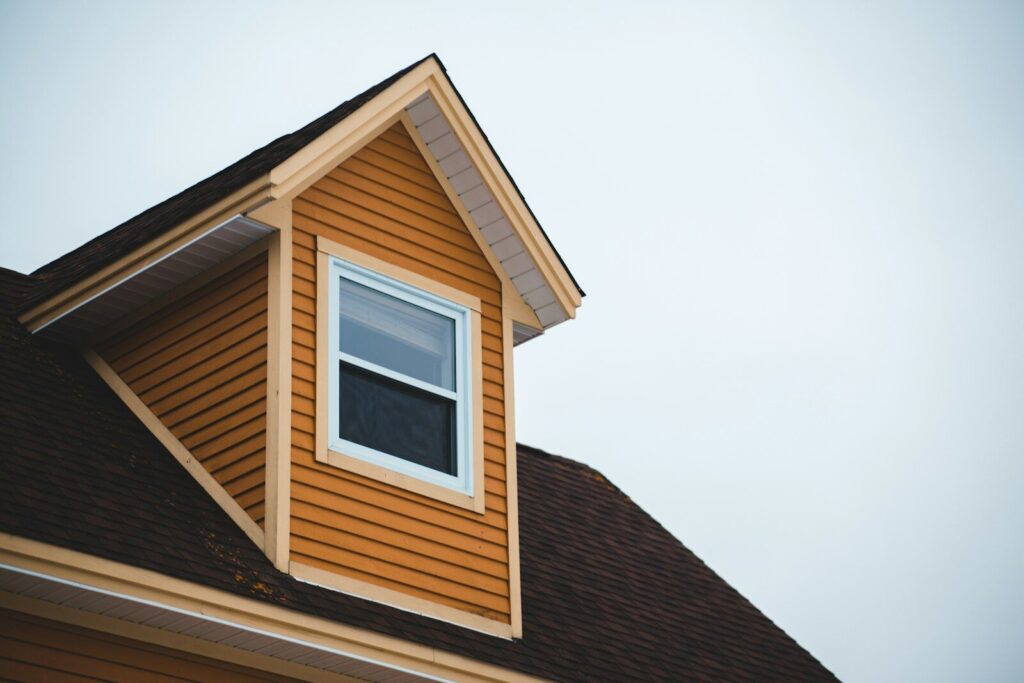
Roof Flashing Replacement Cost Guide for Florida Homes
Roof Flashing Replacement Cost in Florida
Replacing roof flashing in Florida can be a crucial task for homeowners looking to maintain the integrity of their roofs, particularly given the state’s climate conditions. Understanding the cost of replacing roof flashing in Florida is essential, as this component plays a vital role in preventing water intrusion and protecting your home from moisture damage. On average, Florida homeowners can expect to spend between $300 and $1,500 for roof flashing replacement, with price variations depending on materials, labor, and regional factors.
- Average Cost
- National Average vs State Average
- Cost Summary Table
- Cost Breakdown
- Cost by Material
- Labor vs Material Table
- Hidden Costs
- Permit Costs
- DIY vs Professional
- Timeline
- Common Mistakes
- Money Saving Tips
- Buyer’s Guide
- Frequently Asked Questions
- Practical Homeowner Advice
Average Cost
In Florida, the cost to replace roof flashing typically ranges from $300 to $1,500. Factors that influence this cost include the type of flashing material, the roof’s size and slope, and labor rates. Metal flashings such as aluminum and copper are popular choices due to their durability, but they come at a higher cost than alternatives like rubber or plastic flashing. It’s important to consider that certain materials, while costlier up front, can save money over time due to their longevity and less frequent need for replacement. Additionally, given Florida’s humid climate with frequent rains, investing in high-quality materials that offer robust protection against water intrusion can be particularly cost-effective.
National Average vs State Average
Nationally, homeowners spend an average of $400 to $1,000 on roof flashing replacement. The higher end of Florida’s range can be attributed to the state’s unique climate conditions that demand more durable materials and skilled labor. Florida’s susceptibility to hurricanes and heavy rains often necessitates higher-quality installations to avoid future damage. Moreover, regional labor costs can be higher due to the specialized skills required to handle the state’s frequent and severe weather conditions effectively. In coastal areas, where the salt air can accelerate corrosion of materials, opting for premium metals like copper becomes even more crucial, affecting the overall cost structure.
Cost Summary Table
| Cost Factor | Average Cost in Florida | National Average Cost |
|---|---|---|
| Low-End Cost | $300 | $400 |
| Typical Cost | $750 | $700 |
| High-End Cost | $1,500 | $1,000 |
Cost Breakdown
When budgeting for roof flashing replacement, consider these key components:
- Materials: Depending on the type and quality, materials can range from $50 to $500 per project. Opting for more durable materials like copper might increase the upfront cost but could offer savings in the long run due to less frequent replacements. Stainless steel is another option worth considering due to its resistance to Florida’s typical high humidity and salt exposure, especially in coastal regions.
- Labor: Labor costs in Florida vary between $45 to $85 per hour, reflecting relatively high demand for skilled roofing contractors in the region. It’s beneficial to hire experienced contractors who are familiar with Florida’s specific weather challenges. Hiring local contractors who understand the nuances of Floridian weather can ensure your flashing is installed to withstand local conditions.
- Additional Repairs: Costs can increase if rot or water damage is found and needs repair when the flashing is replaced. Conducting regular inspections can help identify potential issues before they escalate, saving money on repairs. It’s advisable to schedule these checks routinely, perhaps at the start of the dry season, to ensure your roof is prepared for upcoming rainy months.
Cost by Material
The type of material significantly impacts the overall cost of flashing replacement. Here’s a look at common materials used in Florida:
| Material | Average Cost per Linear Foot | Durability | Climate Suitability |
|---|---|---|---|
| Aluminum | $3 – $10 | High | Excellent |
| Copper | $10 – $20 | Very High | Excellent |
| Rubber | $1 – $3 | Moderate | Good |
| Plastic | $2 – $5 | Low | Fair |
| Stainless Steel | $8 – $15 | Very High | Excellent |
Labor vs Material Table
| Component | Average Cost | Percentage of Total Cost |
|---|---|---|
| Materials | $50 – $500 | 30% – 40% |
| Labor | $250 – $1,000 | 60% – 70% |
Hidden Costs
Watch for hidden costs that can bump up your project budget. These can include disposal fees for old materials, unforeseen repairs if the underlayment is damaged, and potential permit fees depending on local laws. It’s wise to discuss potential hidden costs with your contractor beforehand to avoid surprises and ensure your budget aligns with the project’s scope. Furthermore, Florida’s weather can sometimes cause unexpected delays, especially if severe weather conditions interfere with the planned timeline, potentially adding to labor costs.
Permit Costs
In Florida, permits for roofing work, including flashing replacement, are often required. Expect to pay between $50 and $250 for permits, depending on your locality and the project’s scope. Understanding local regulations is crucial, as skipping permits can lead to fines and complications when selling your home. It’s beneficial to consult with your local building department or a knowledgeable contractor to ensure all legal requirements are met upfront, avoiding future legal headaches.
DIY vs Professional
While DIY might seem cost-effective, it’s not always the best choice for roof flashing replacement, particularly in Florida where the consequences of poor installation can be severe. Hiring a professional ensures proper techniques are used, and your roof stays watertight during the rainy season. Professionals bring expertise that can prevent future issues and may provide warranties for their work, adding peace of mind. For DIY enthusiasts, it’s critical to evaluate your own skills honestly and the potential risks involved, as improper installation could lead to significant water damage, especially during hurricane season.
Timeline
The timeline for replacing roof flashing generally ranges from a few hours to two days, depending on the project’s complexity. Weather conditions can extend this timeframe, especially during Florida’s rainy season when dry conditions are necessary for proper adhesion and sealing. It’s advisable to plan the replacement during the dry season to avoid delays and ensure a seamless installation process. Engaging with your contractor to create a flexible schedule that accounts for weather-related interruptions can help manage expectations and project timelines effectively.
Common Mistakes
- Choosing the wrong material for the climate.
- Neglecting required permits, leading to legal issues.
- Incorrect installation, leading to leaks and further damage.
- Ignoring signs of existing roof damage before installing new flashing, which can exacerbate issues and lead to costly repairs down the line.
- Failing to properly research and vet contractors, leading to subpar workmanship and increased long-term costs.
Money Saving Tips
- Get multiple quotes from local contractors to ensure competitive pricing.
- Consider scheduling replacements during the off-peak season (winter months) for better deals.
- Maintain proper roof care to extend the lifespan of flashing and reduce replacement frequency. Regular inspections can catch small issues before they become major problems.
- Explore different material options and choose the one that offers the best long-term value for your particular needs and weather conditions.
- Leverage any available tax incentives or rebates for using energy-efficient materials, which can offset initial costs.
Buyer’s Guide
Aluminum Flashing
Cost: $3 – $10 per linear foot
Lifespan: 20-30 years
Durability: High, resistant to corrosion
Maintenance: Minimal, regular inspections
Warranty: Typically 20 years
Installation Difficulty: Moderate
Best For: Most Florida homes
Biggest Advantage: Cost-effective with good durability
Biggest Drawback: Can be dented easily
Copper Flashing
Cost: $10 – $20 per linear foot
Lifespan: 50+ years
Durability: Very high, excellent in harsh weather
Maintenance: Low, develops protective patina
Warranty: Up to 50 years
Installation Difficulty: High
Best For: High-end homes
Biggest Advantage: Extremely durable and long-lasting
Biggest Drawback: High initial cost
Rubber Flashing
Cost: $1 – $3 per linear foot
Lifespan: 10-15 years
Durability: Moderate, flexible in heat
Maintenance: Moderate, periodic checks
Warranty: 5-10 years
Installation Difficulty: Easy
Best For: Budget-conscious projects
Biggest Advantage: Very affordable
Biggest Drawback: Short lifespan and less durable
Best Budget Choice: Rubber Flashing – Ideal for those on a tight budget needing a quick fix or temporary solution.
Best Overall Value: Aluminum Flashing – Offers a great balance between cost and durability, suitable for most homes.
Best Premium Choice: Copper Flashing – Although pricey, its longevity and durability make it a worthwhile investment for long-term performance.
Contractor’s Choice: Aluminum Flashing – Preferred by many professionals for its easy installation and fair price point, providing reliable protection.
Frequently Asked Questions
What is the most durable type of roof flashing?
Copper flashing is the most durable, offering longevity of 50+ years with minimal maintenance, making it excellent for harsh weather conditions.
Can I replace roof flashing myself?
While DIY replacement is possible for those skilled in roofing work, hiring a professional is recommended to ensure proper installation and avoid water damage.
How often should roof flashing be replaced?
Flashing materials like rubber may need replacement every 10-15 years, while aluminum can last 20-30 years, and copper even longer at 50+ years.
How does Florida’s climate affect roof flashing?
Florida’s climate, known for heavy rains and hurricanes, requires highly durable materials like aluminum or copper to withstand weather extremes.
Is a permit necessary for replacing roof flashing in Florida?
Yes, permits are often required in Florida to ensure compliance with local building codes, with costs ranging from $50 to $250.
Practical Homeowner Advice
When planning your roof flashing replacement in Florida, getting multiple contractor quotes is crucial. This ensures competitive pricing and appropriate expertise for your specific needs. Also, consider the weather when scheduling the work—avoid the peak of the rainy season to prevent delays. Lastly, plan your budget to accommodate unexpected expenses, such as material upgrades or additional repairs. Engage with contractors who offer warranties to protect your investment and provide peace of mind for the workmanship and materials used. Building a relationship with a trusted local contractor can also be beneficial for future maintenance needs, as they will be familiar with your roof’s history and any potential concerns.