
Roof Vent Installation Cost in Florida – Affordable & Efficient
Roof Vent Installation Cost in Florida
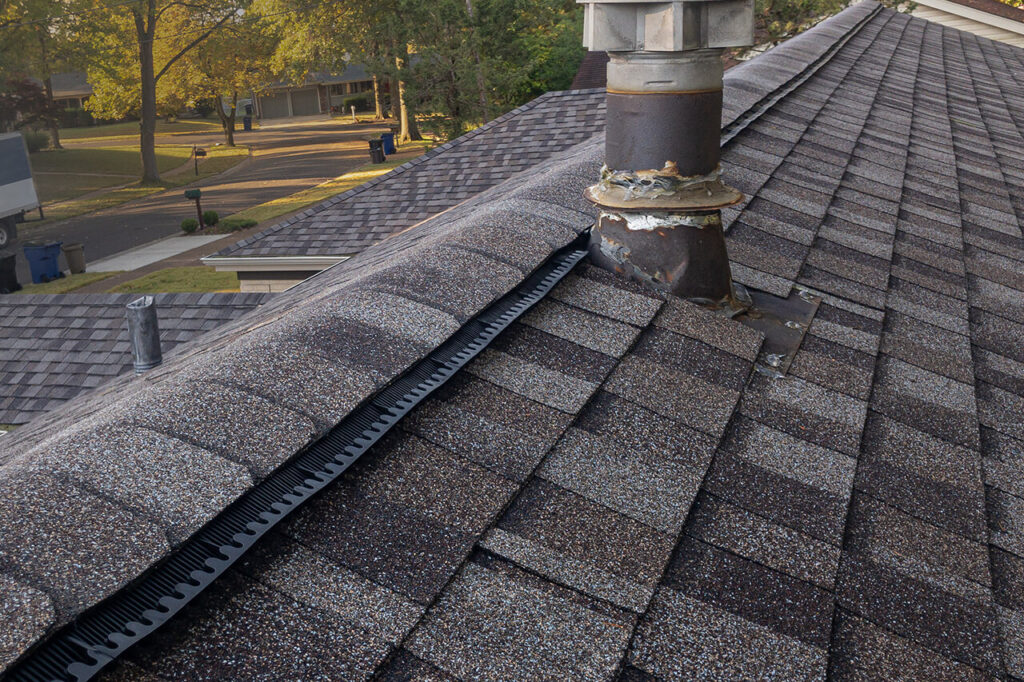
Installing roof vents is a crucial step to ensure proper attic ventilation, prolong the life of your roof, and improve energy efficiency. In Florida, where high humidity and heat are common, proper roof ventilation is even more essential. The cost of roof vent installation in Florida typically ranges from $300 to $1,200, depending on the number and type of vents, the complexity of your roof design, and whether you choose professional installation or DIY.
- Average Cost
- National Average vs State Average
- Cost Summary Table
- Cost Breakdown
- Cost by Material
- Cost by Home Size
- Material Comparison Table
- Labor vs Material Table
- Permit Costs
- DIY vs Professional
- Timeline
- Common Mistakes
- Money Saving Tips
- Buyer’s Guide
- Frequently Asked Questions
- Plan Your Next Steps
Average Cost
The average cost for installing roof vents in Florida is about $600, but this can vary. Ridge vents generally cost between $10 to $15 per linear foot, while power vents can range from $100 to $400 per unit, excluding installation. Labor costs in Florida typically run around $50 to $75 per hour, reflecting the competitive roofing market in the state. Homeowners in Florida should also consider the impact of seasonal demand on pricing. During hurricane season, costs can rise due to increased demand for weatherproofing and repairs, potentially affecting the availability of contractors.
National Average vs State Average
Nationally, roof vent installation costs range from $300 to $1,100, with Florida’s average slightly higher due to regional demands for high-quality ventilation in hot and humid conditions. The state’s unique climate and energy efficiency incentives might also influence the choice of more robust systems. Florida homes often require advanced ventilation solutions, such as ridge or power vents, to combat high humidity levels that are less prevalent in other states. The additional costs associated with these solutions contribute to the higher state average.
Cost Summary Table
| Type of Vent | Cost Range | Average Cost (installed) |
|---|---|---|
| Ridge Vent | $300 – $750 | $500 |
| Power Vent | $400 – $1,200 | $800 |
| Box Vent | $200 – $550 | $375 |
| Solar Powered Vent | $600 – $1,500 | $1,050 |
Cost Breakdown
The overall cost of installing roof vents can be dissected into the cost of materials and labor. Materials typically constitute about 40% of the total cost, while labor makes up the remaining 60%. This is because proper installation requires precise cutting and sealing to prevent leaks, a task best handled by professionals. Additionally, the complexity of Florida’s varied architectural styles may demand customized vent solutions, which can increase both material and labor costs. For example, a steeply pitched roof may require more intricate installation procedures, thus raising the labor costs and total project price.
Cost by Material
Roof vent materials primarily include aluminum, galvanized steel, and plastic. Price differences between these materials reflect their durability and aesthetic appeal. Aluminum vents are generally the most cost-effective, while galvanized steel offers greater durability at a higher price point. Plastic vents, while cheaper, may not hold up as well under Florida’s intense sun and storms, potentially leading to more frequent replacements and higher long-term costs. Choosing the right material should balance initial cost with longevity and performance in Florida’s challenging climate.
Cost by Home Size
The size of your home directly affects the number of vents needed. For a typical 1,000 square foot home, you might need three to four vents, whereas larger homes could require six or more. Each additional vent increases the overall cost by approximately $150 to $400, including material and labor. Homes with complex roof structures, such as those with multiple gables or dormers, may require additional vents to ensure uniform ventilation. In Florida’s climate, where efficient airflow is crucial to combating humidity and heat, skimping on ventilation could lead to costly repairs or energy bills down the line.
Material Comparison Table
| Material | Cost per Unit | Durability | Maintenance |
|---|---|---|---|
| Aluminum | $30 – $50 | Medium | Low |
| Galvanized Steel | $50 – $80 | High | Medium |
| Plastic | $20 – $40 | Low | High |
| Copper | $100 – $150 | Very High | Low |
Labor vs Material Table
| Component | Percentage of Total Cost |
|---|---|
| Materials | 40% |
| Labor | 60% |
Permit Costs
In Florida, building permits are often necessary for roof work, including vent installation. Permit costs can range from $50 to $200, depending on the municipality. It’s crucial to check local regulations, as failure to obtain the necessary permits can lead to fines or mandatory removal of non-compliant installations. Given the state’s strict code enforcement, especially in hurricane-prone areas, securing the correct permits ensures your installation meets all safety standards, potentially preventing costly rework or fines in the future.
DIY vs Professional
While DIY installation might save money upfront, it often lacks the expertise needed to ensure proper sealing and placement, which could lead to future repairs or energy inefficiencies. Professional installation, though more costly, assures peace of mind and longer-lasting results. In Florida’s climate, professional expertise can be particularly beneficial. With the state’s frequent storms, ensuring that vents are securely installed and weatherproofed is vital. Moreover, professionals are more adept at selecting the right type and number of vents to optimize ventilation based on specific home configurations and local weather conditions.
Timeline
The installation process can take anywhere from a few hours to a full day, depending on the roof’s complexity and the number of vents being installed. Scheduling with professional contractors in the off-peak seasons, typically winter in Florida, might reduce waiting times and costs. During the spring and summer, when weather conditions are more unpredictable and the demand for roofing services increases, scheduling may become more challenging and potentially more expensive. Planning ahead and booking installations well in advance can help avoid seasonal price hikes and ensure a smoother installation process.
Common Mistakes
- Choosing the wrong type of vent for your home’s needs.
- Improper sealing and waterproofing.
- Incorrect vent spacing, reducing efficiency.
- Ignoring local building codes and permit requirements.
- Overlooking the importance of matching vent capacity to attic size.
Money Saving Tips
- Compare multiple quotes from local contractors.
- Consider energy-efficient vent models that qualify for rebates.
- Opt for multi-vent installations to reduce individual installation costs.
- Purchase materials during sales or off-season for discounts.
- Bundle vent installation with other roof maintenance tasks to minimize labor charges.
Buyer’s Guide
When selecting a roof vent in Florida, consider the climate and energy efficiency incentives:
Aluminum Vents
- Cost: $30 – $50 per unit
- Lifespan: 10-15 years
- Durability: Medium
- Maintenance: Low
- Warranty: 5 years
- Installation Difficulty: Easy
- Best For: Budget-conscious installations
- Biggest Advantage: Cost-effective
- Biggest Drawback: Less durable in severe weather
Galvanized Steel Vents
- Cost: $50 – $80 per unit
- Lifespan: 20-25 years
- Durability: High
- Maintenance: Medium
- Warranty: 10 years
- Installation Difficulty: Medium
- Best For: Long-term investments
- Biggest Advantage: High durability
- Biggest Drawback: Higher upfront cost
Plastic Vents
- Cost: $20 – $40 per unit
- Lifespan: 5-10 years
- Durability: Low
- Maintenance: High
- Warranty: 2 years
- Installation Difficulty: Easy
- Best For: Temporary solutions
- Biggest Advantage: Very affordable
- Biggest Drawback: Short lifespan
Copper Vents
- Cost: $100 – $150 per unit
- Lifespan: 50+ years
- Durability: Very High
- Maintenance: Low
- Warranty: 15 years
- Installation Difficulty: Hard
- Best For: High-end homes with long-term plans
- Biggest Advantage: Extremely durable and weather-resistant
- Biggest Drawback: High cost
Recommendations
- Best Budget Choice: Plastic Vents for their affordability.
- Best Overall Value: Aluminum Vents offering a balance of cost and durability.
- Best Premium Choice: Galvanized Steel Vents given their longevity and durability.
- Contractor’s Choice: Galvanized Steel Vents due to their robustness and extended lifespan in Florida’s climate.
- Luxury Option: Copper Vents for those desiring the ultimate in longevity and aesthetics, ideal for historic or high-end properties.
Frequently Asked Questions
How many roof vents do I need?
The general rule is one square foot of ventilation for every 300 square feet of attic space. However, Florida’s humid climate might require additional ventilation. It’s advisable to consult with a professional to assess specific needs based on the home’s layout and local climate conditions.
Can I install roof vents myself?
While possible, professional installation ensures proper sealing and placement, reducing the risk of future leaks and inefficiencies. DIY installation might save money initially but can result in higher repair costs if not done correctly.
Are roof vents required by code in Florida?
Yes, building codes in Florida require adequate attic ventilation to prevent moisture buildup and improve energy efficiency. Ensuring compliance with these codes is crucial not only for the functionality of the vents but also to avoid legal issues during home inspections or sales.
Do roof vents help with cooling?
Indeed, they facilitate better air circulation, helping to reduce attic temperatures and, consequently, cooling costs. This is especially beneficial in Florida, where air conditioning represents a significant portion of household energy consumption.
What type of roof vent is best for hurricane-prone areas in Florida?
Galvanized steel or copper vents are recommended for their sturdiness and ability to withstand high winds and flying debris. These materials are more resilient to the wear and tear caused by severe weather conditions common in Florida’s hurricane-prone regions.
Plan Your Next Steps
Considering the specifics of Florida’s climate and building regulations, it’s wise to consult multiple contractors to get competitive quotes. Be sure to plan your budget, factoring in potential permit fees and the benefits of professional installation. This approach will ensure a successful roof vent installation, tailored to your home’s unique needs. Additionally, consider scheduling your installation during the off-peak season to capitalize on lower prices and more flexible contractor availability. This strategy not only saves money but also ensures the project is completed promptly, avoiding the rush and higher costs of peak seasons.